When comparing residential care homes, it can be tempting to focus on what is immediately visible.
Modern facilities, impressive communal areas and extensive activity programmes can all make a strong first impression.
These features certainly have their place, but they do not necessarily tell families what everyday life will feel like for someone living there.
Sometimes, it is the smaller details that make the greatest difference.
Looking Beyond First Impressions
A care home may have beautiful surroundings and excellent facilities, but residents spend most of their time experiencing ordinary daily life.
They wake up, enjoy meals, spend time with others, relax and follow familiar routines.
The way these everyday moments are supported can have a considerable influence on how comfortable someone feels.
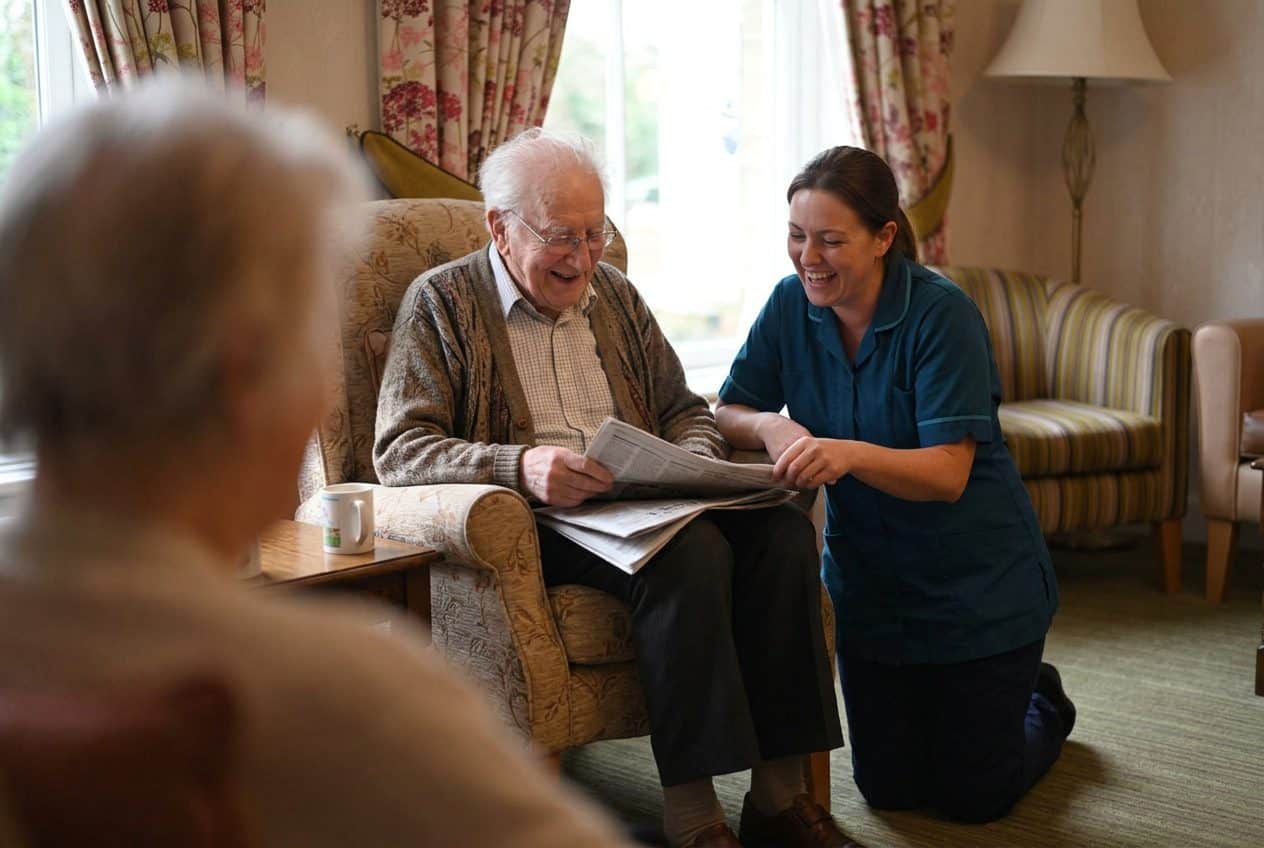
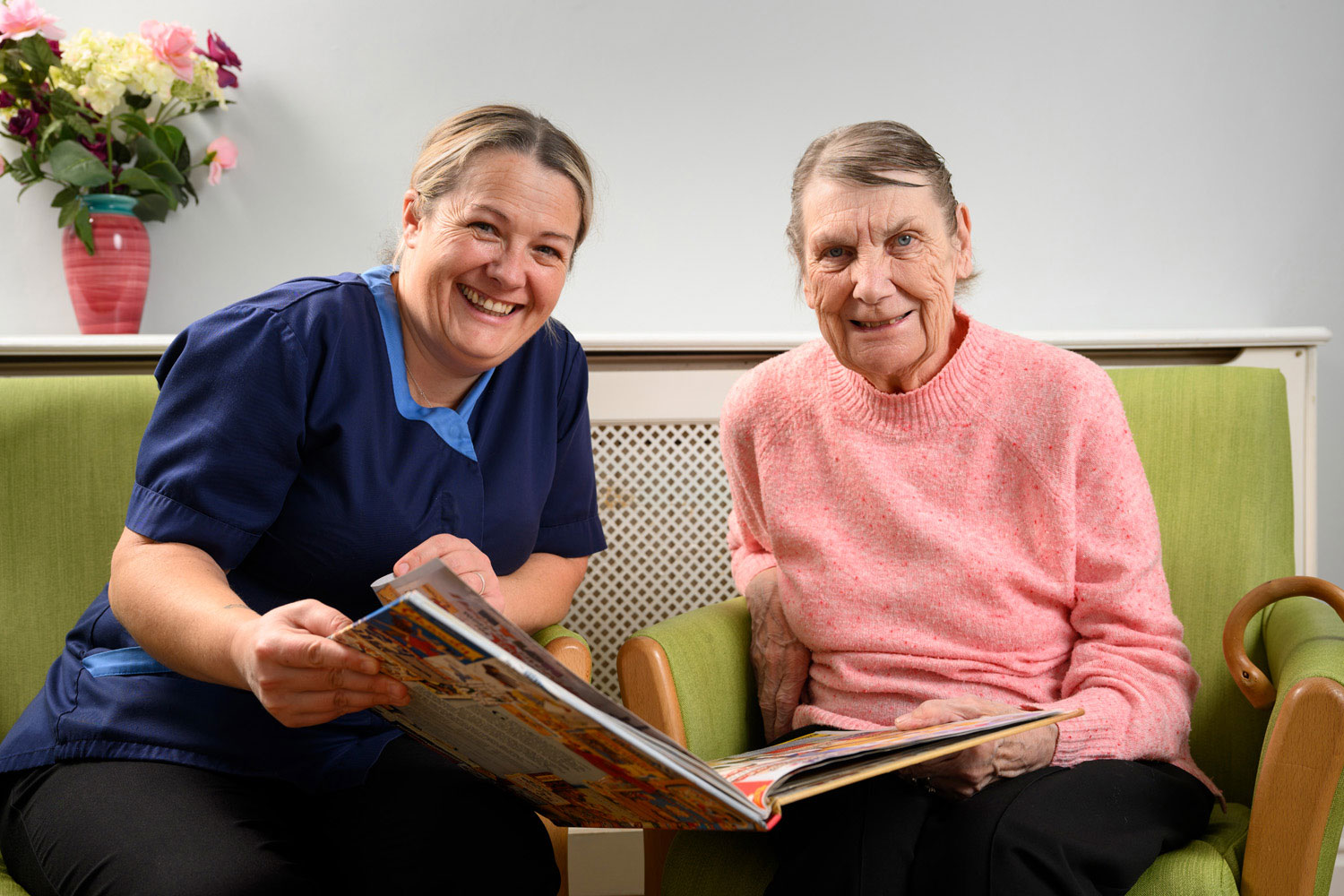
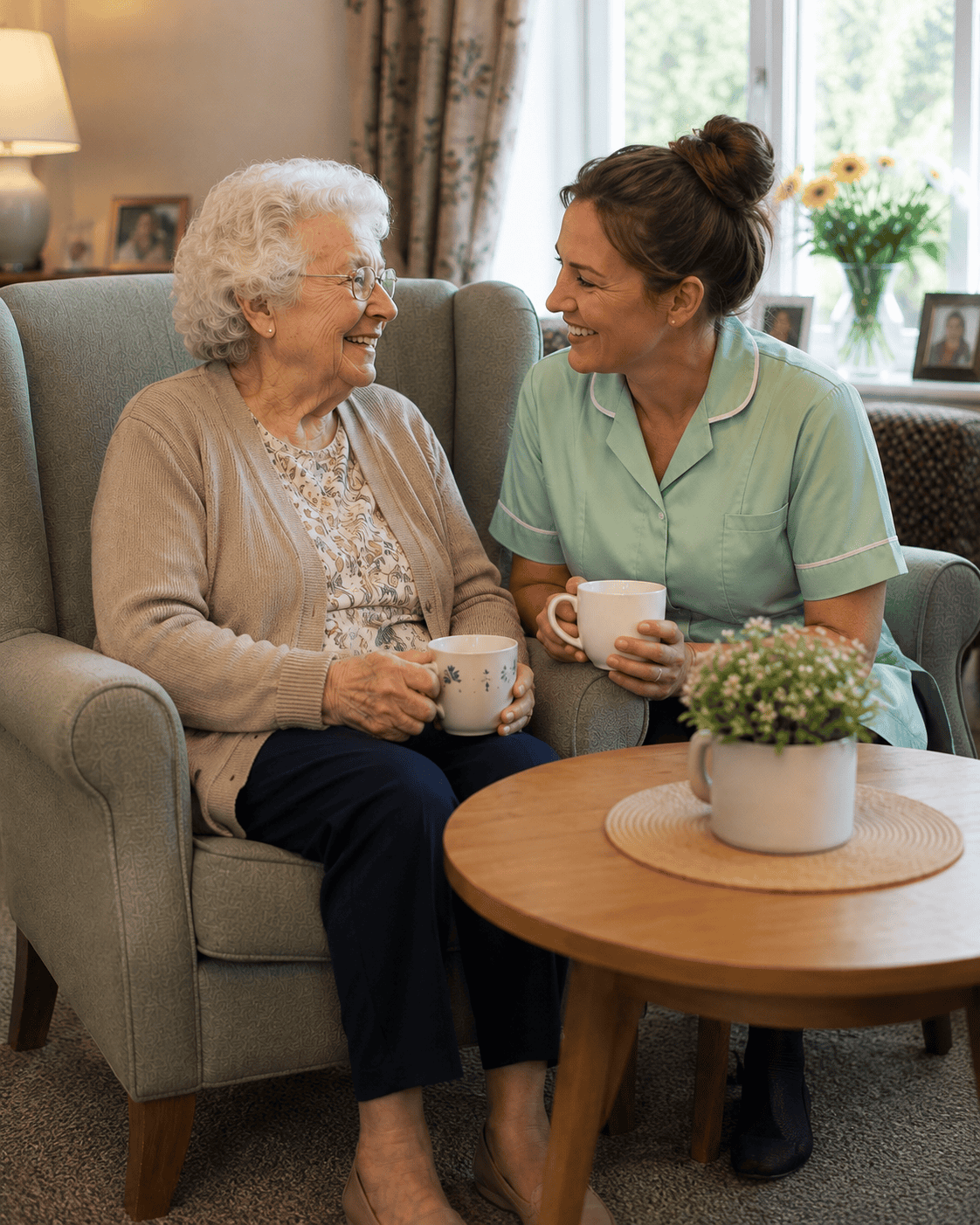
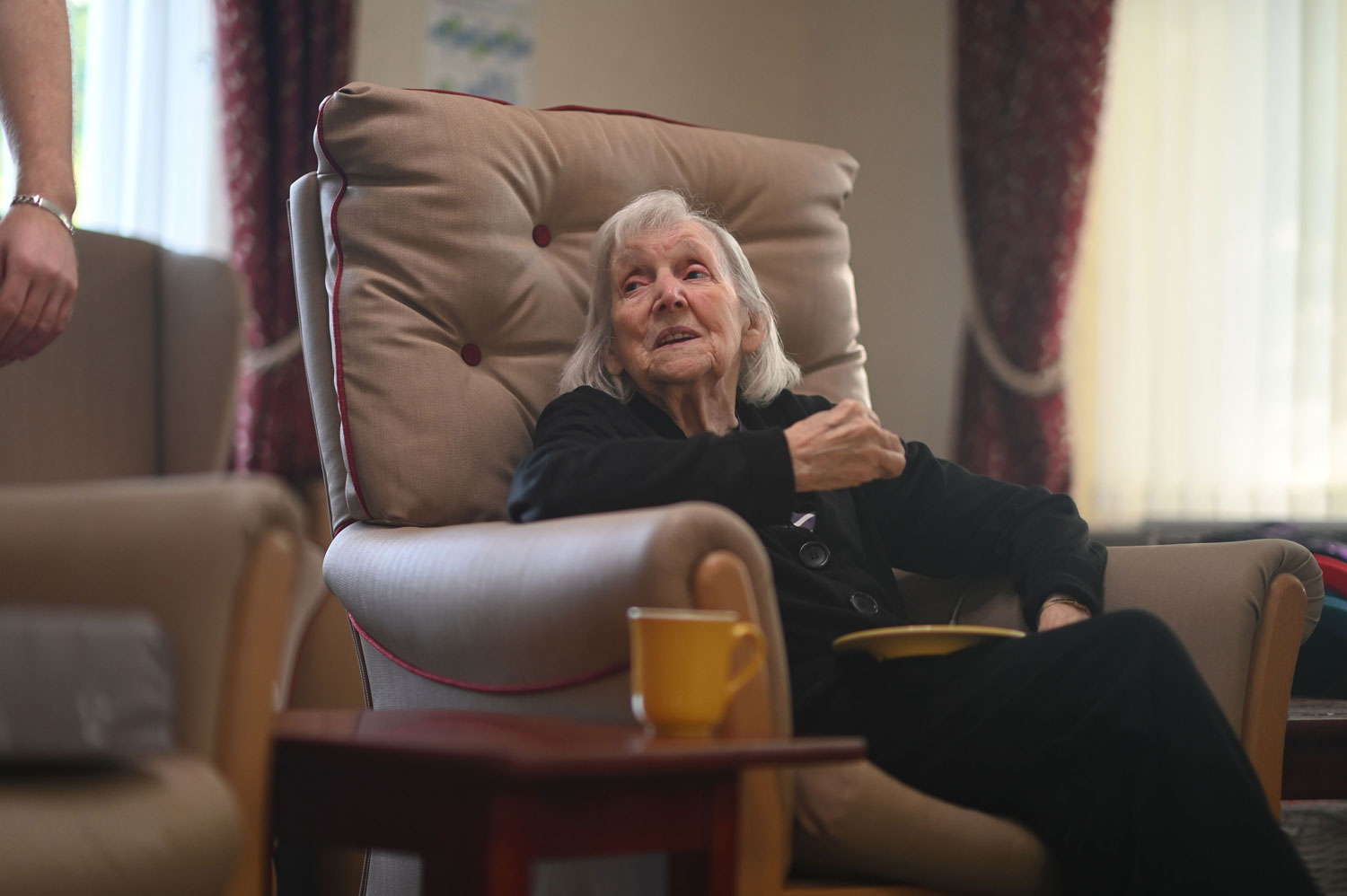
For example, having somewhere pleasant to sit with a cup of tea, enjoying a relaxed conversation or spending time in a favourite part of the garden may be more important to a resident than access to an extensive range of facilities.
When Everyday Life Feels Natural
One of the potential advantages of a smaller care home is the opportunity to create a more domestic atmosphere.
Rather than feeling like part of a large organisation, residents can experience daily life in a setting that resembles a traditional household.
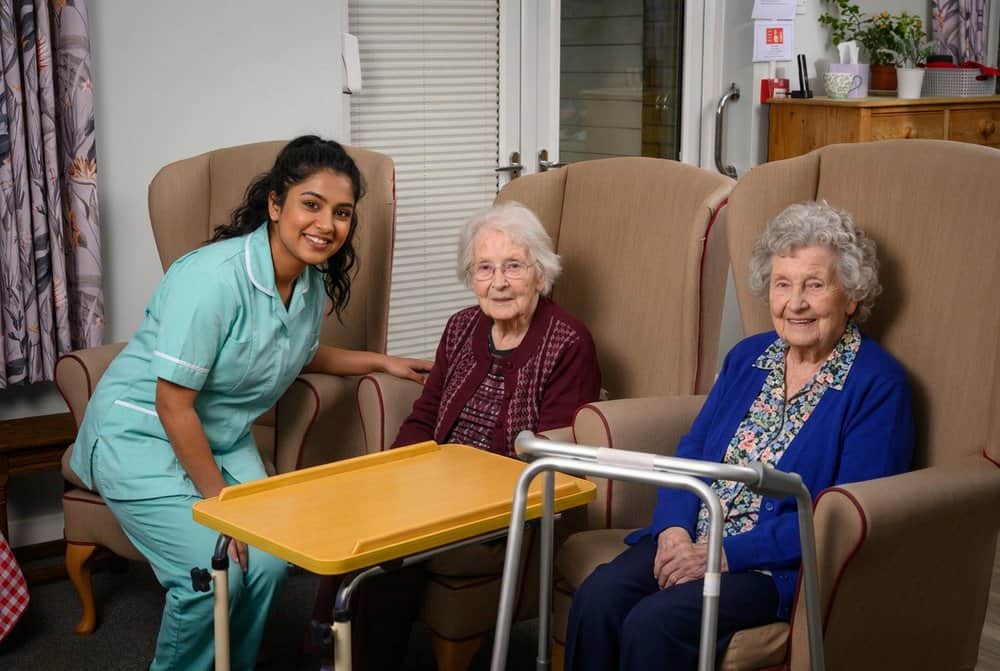
Mealtimes can become familiar social occasions, shared spaces can feel comfortable and everyday conversations can develop naturally.
Of course, smaller does not automatically mean better.
The quality of care, staff approach and individual suitability of the home remain essential.
However, for families who value a more intimate environment, a smaller residential setting can be particularly appealing.
Making Room for Individual Preferences
People have different ideas about what makes a good day.
Some enjoy company and conversation, while others value peace and quiet.
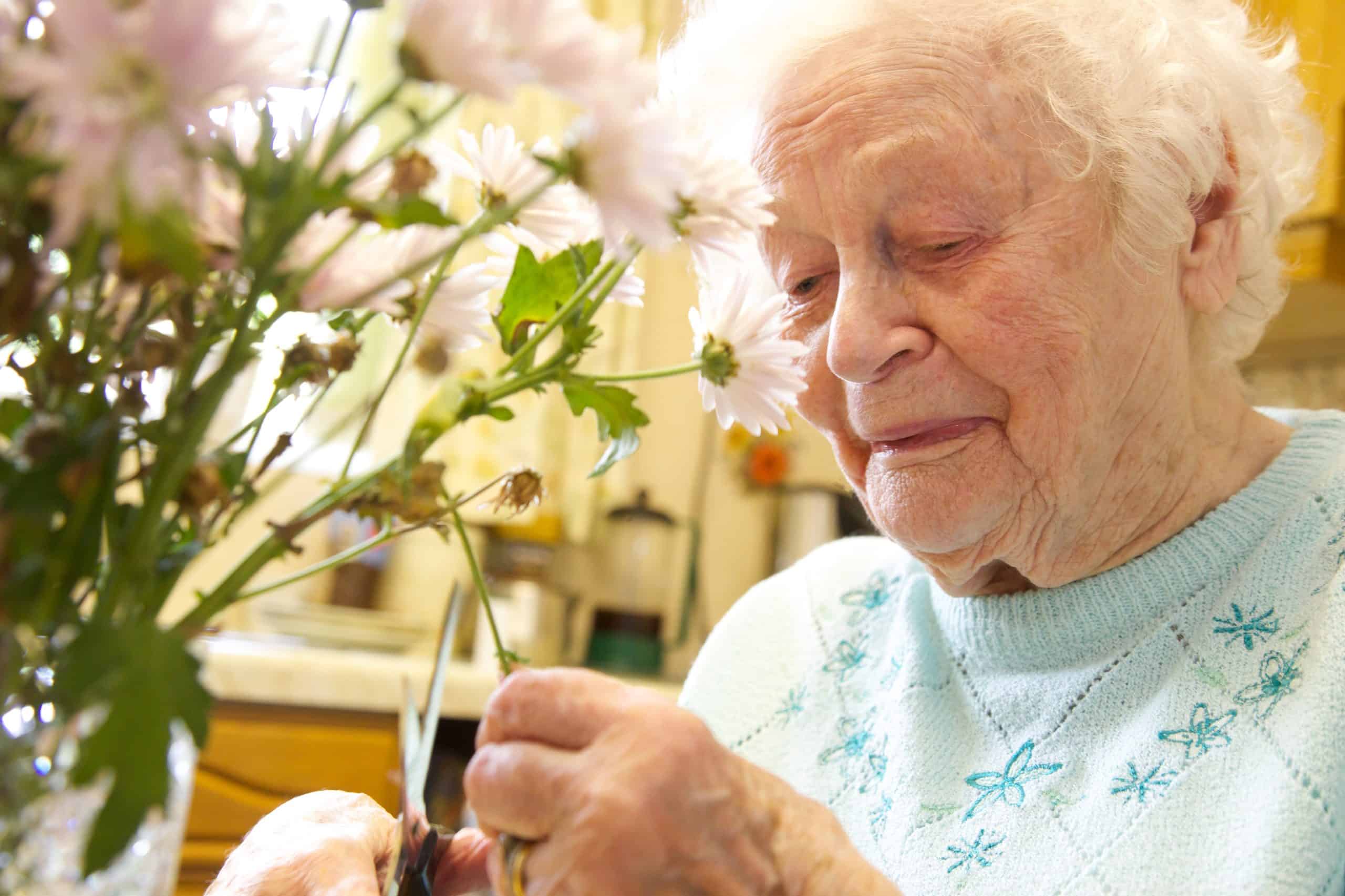
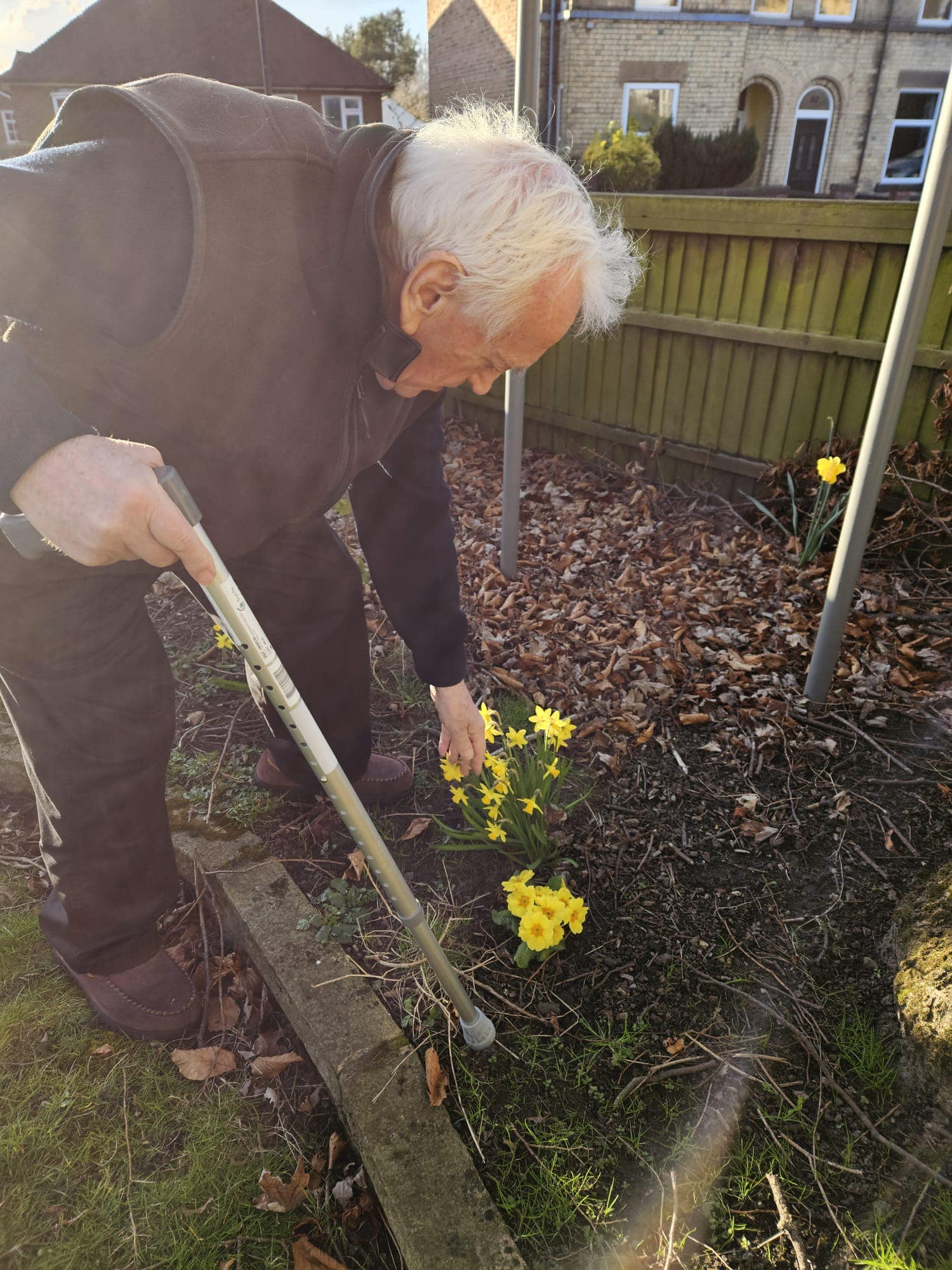
One person may look forward to organised entertainment, while another would rather spend the afternoon reading or watching the birds in the garden.
A good care home should recognise these differences.
In a smaller setting, there may be opportunities to shape everyday experiences around the preferences of the people living there.
The aim is not to keep everyone occupied every moment of the day, but to create an environment where residents feel comfortable enjoying life in their own way.
The Value of a Smaller Home
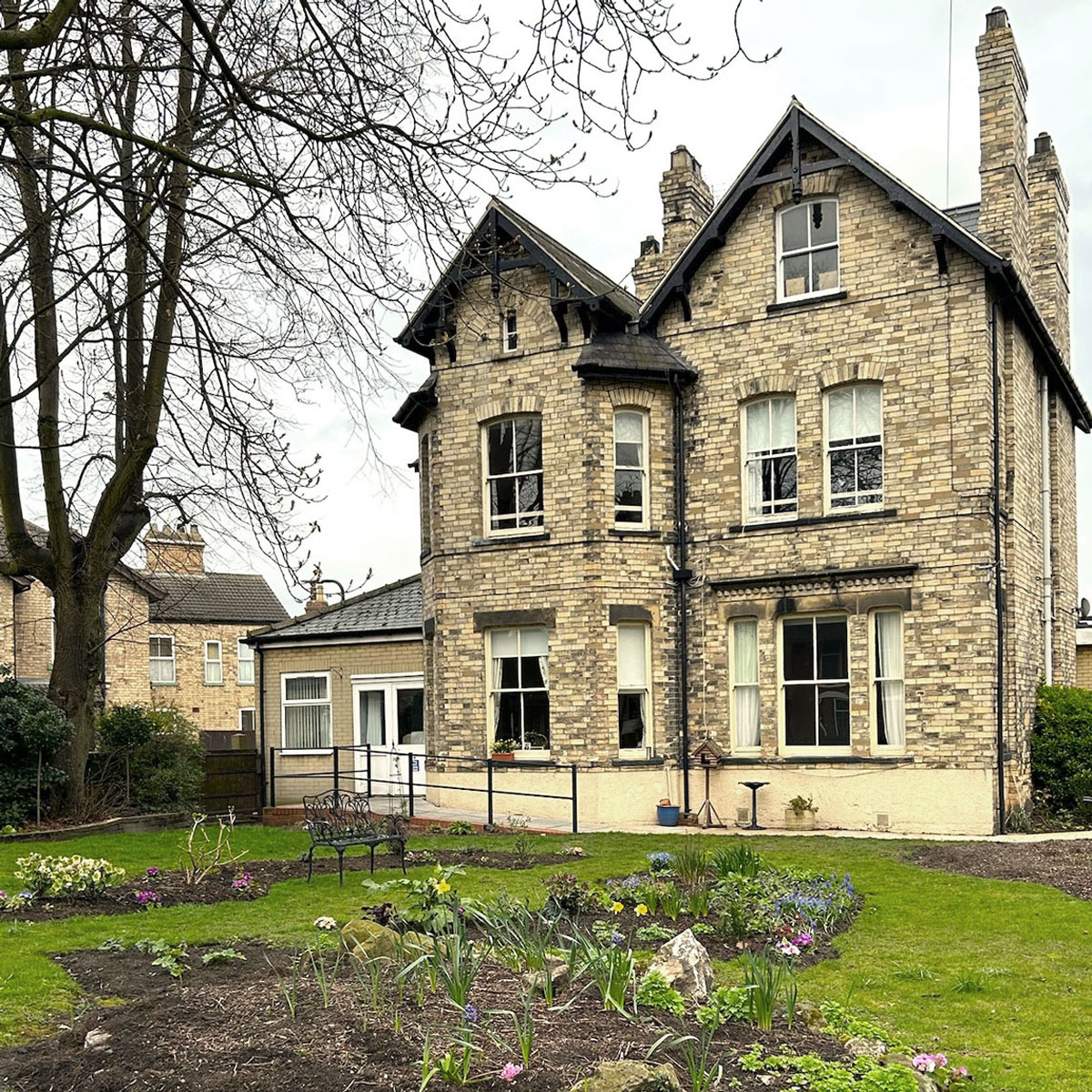
Ochre Care operates two smaller residential care homes, Abbey Lea in Barlby and Westwood in Selby.
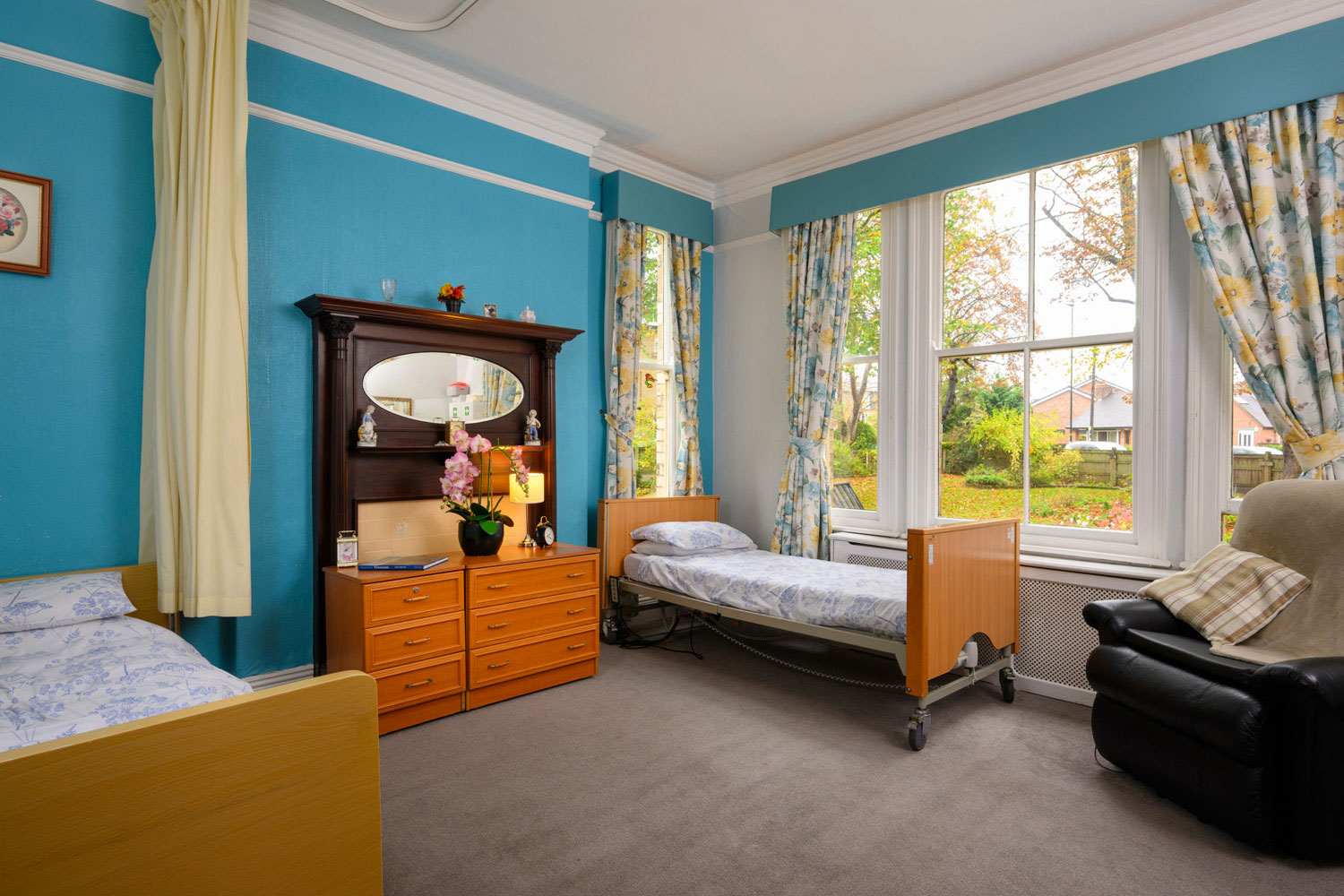
Both provide residential and dementia care within traditional properties that offer comfortable shared spaces, gardens and opportunities for companionship.
With up to 39 residents across both homes, Ochre Care places importance on maintaining a personal, homely approach to residential care.
What Really Makes a Care Home Special?
When choosing residential care, facilities are worth considering, but so is the atmosphere.
Does the home feel comfortable? Can you imagine your loved one enjoying everyday life there? Does it offer the kind of environment that would suit their personality?
These questions can be just as valuable as comparing lists of amenities.
Because the best care home for someone is not necessarily the one with the most impressive facilities. It is the one that feels right for them.