Published: 8th September 2026
Dignity is a word we hear frequently when talking about care, but what does it actually mean for the person receiving that care?
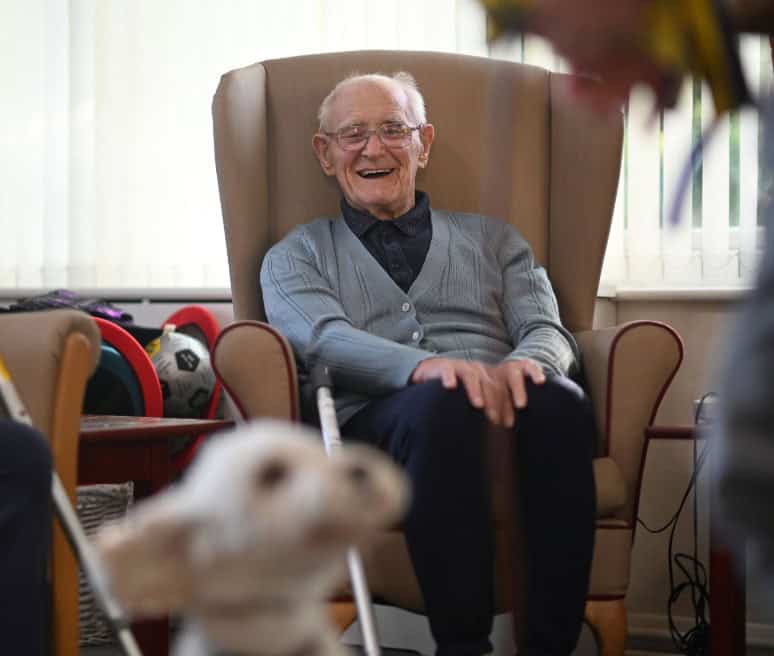
In practice, dignity is often found in everyday moments. It is about being listened to, having choices respected and continuing to be treated as the individual you have always been.
Having a Say in Everyday Life
Moving into a care home shouldn’t mean losing control over everyday decisions.
Choosing what to wear, when to get up, what to eat or how to spend the afternoon might seem like small decisions, but they are an important part of maintaining independence.
Good care provides support where it is needed while allowing residents to continue making their own choices wherever possible.
Respecting Privacy
Everyone deserves privacy, regardless of how much support they require.
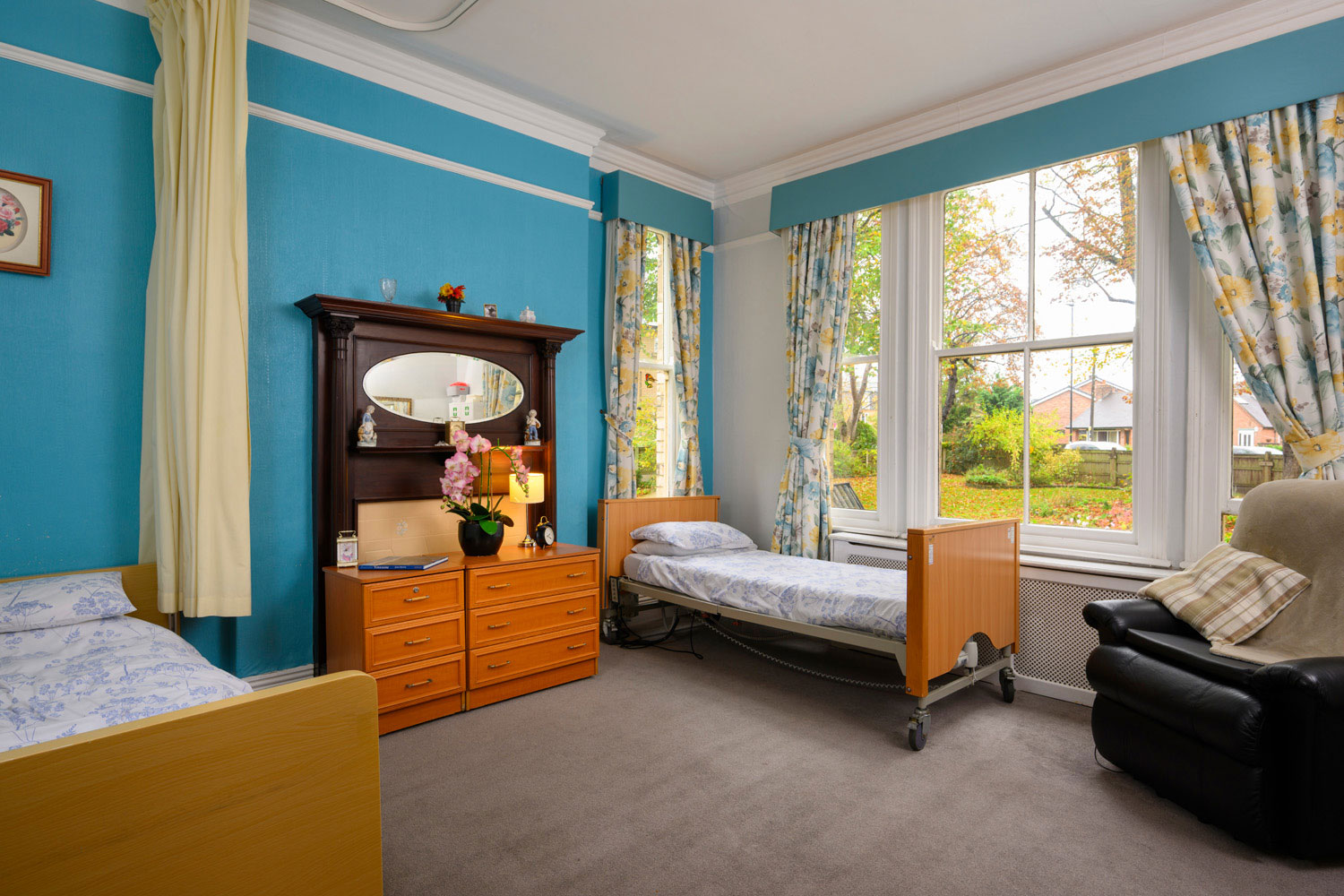
This can mean knocking before entering a bedroom, explaining what is happening during personal care and making sure sensitive conversations are held discreetly.
Respecting someone’s personal space and privacy helps them feel comfortable and valued.
Knowing the Person
Dignity also means seeing someone as more than their age, health condition or care needs.
Every resident arrives with a lifetime of experiences behind them. They have had careers, raised families, developed interests and built routines and preferences over many years.
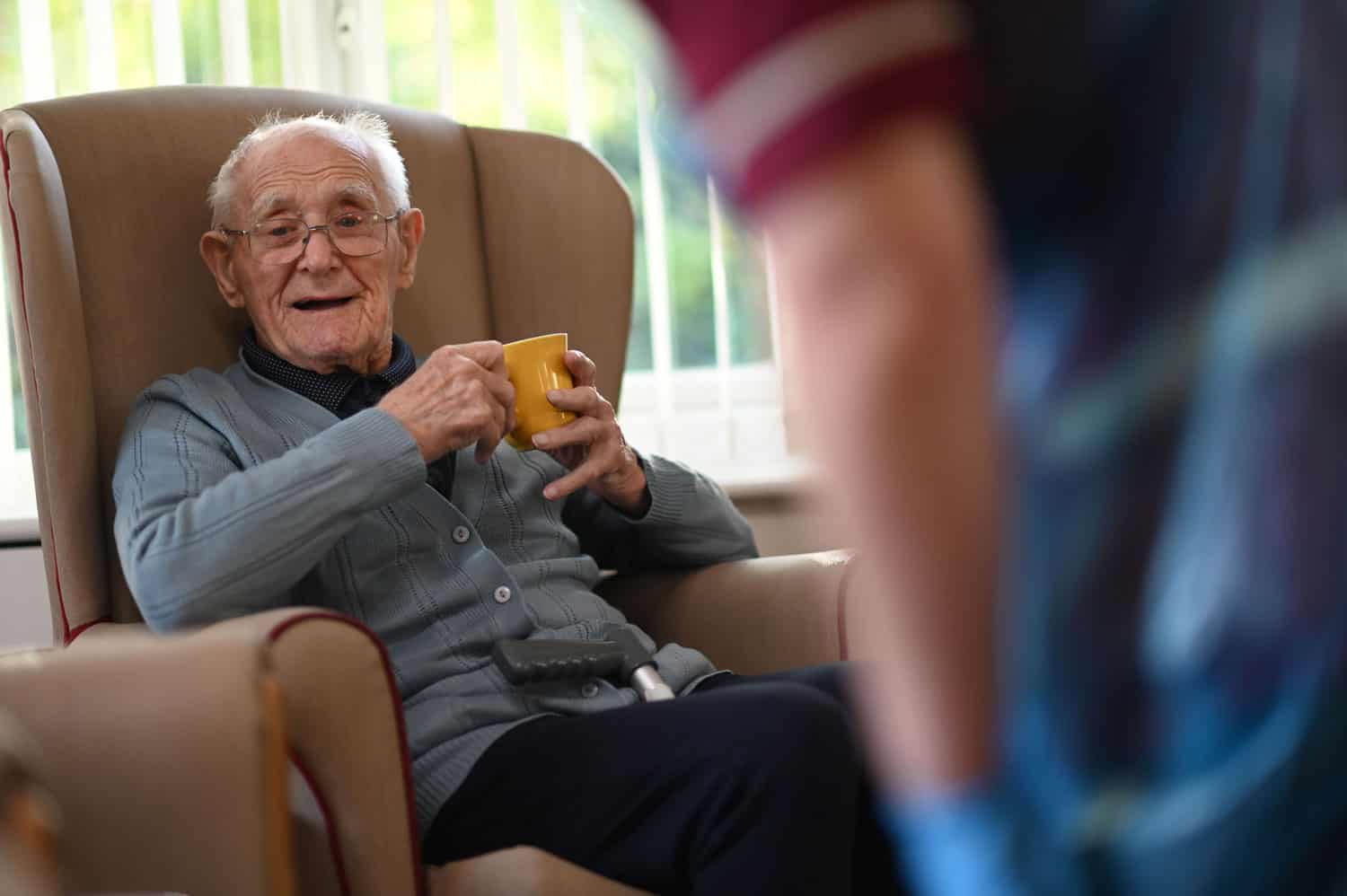
Taking the time to learn about those things helps care become genuinely personal. Someone might prefer being called by a particular name, enjoy certain music or simply like their morning cup of tea made a particular way.
Those details matter.
Supporting Independence
Sometimes providing dignified care means knowing when not to step in.
If someone can safely complete part of a task themselves, allowing them the time and encouragement to do so can help maintain confidence and independence.
The aim should not always be to do things for someone, but to support them to continue doing what they can for themselves.
Dignity Is in the Details
Dignity isn’t one particular action. It is reflected in how someone is spoken to, listened to and involved in decisions throughout their day.
At Ochre Care, our teams at Abbey Lea and Westwood recognise that every resident is an individual. Understanding their preferences, respecting their choices and supporting their independence all contribute to care that treats people with the dignity they deserve.
Because good care isn’t simply about meeting someone’s needs. It’s about respecting the person receiving it.