Published: 27th October 2026
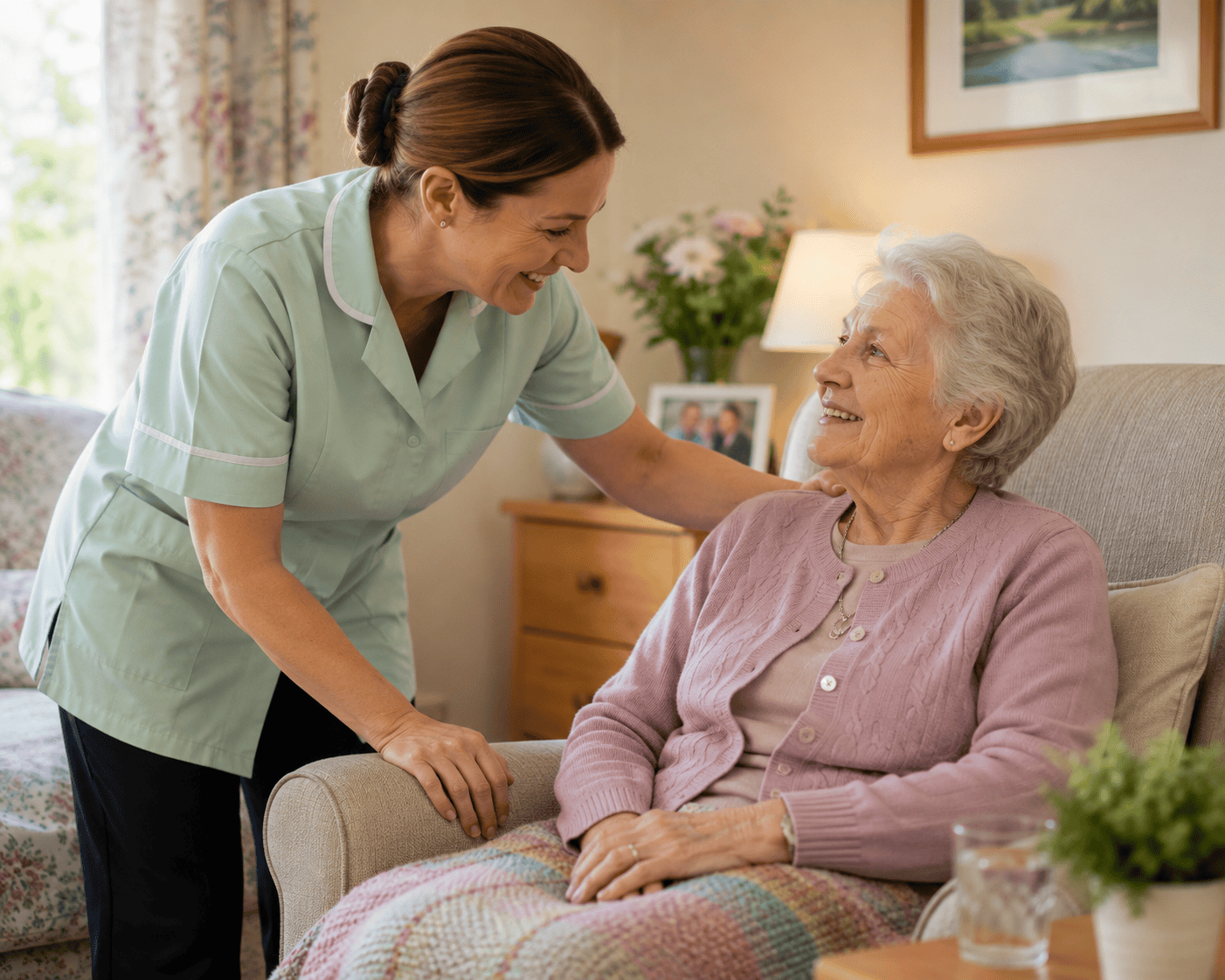
As people grow older, opportunities for everyday social interaction can sometimes become more limited.
Friends may move away, mobility can become more difficult and activities that once brought people together may no longer be as easy to enjoy.
Moving into residential care can provide new opportunities for companionship, but the type of environment someone moves into can influence how those relationships develop.
For some people, a smaller care home can offer a particularly comfortable setting in which to become part of a community.
Getting to Know the People Around You
Friendships rarely develop overnight.
They often begin through ordinary conversations, shared experiences and seeing the same people regularly.
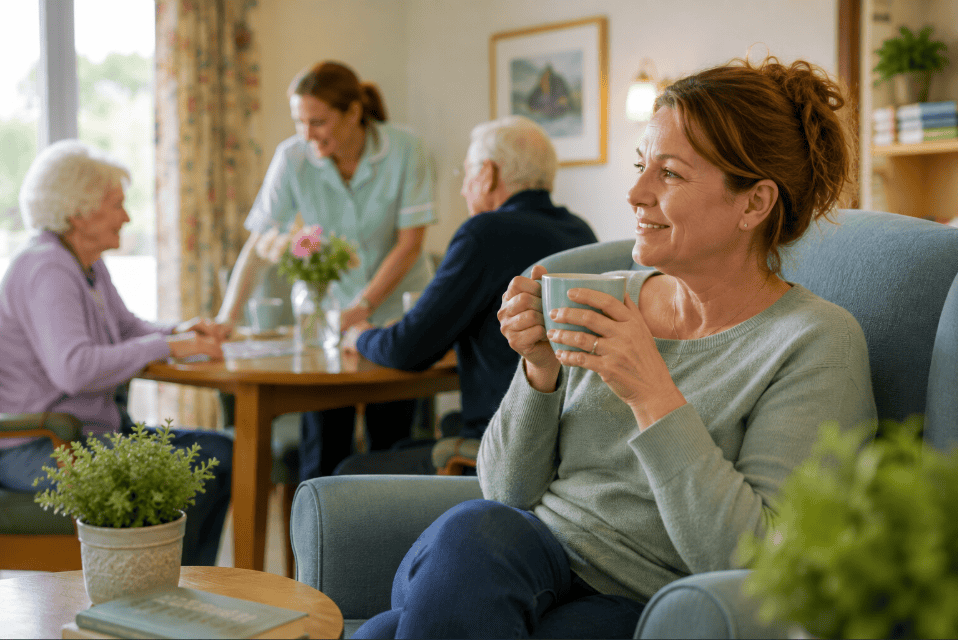
In a smaller care home, residents may have more opportunities to become familiar with the people they live alongside.
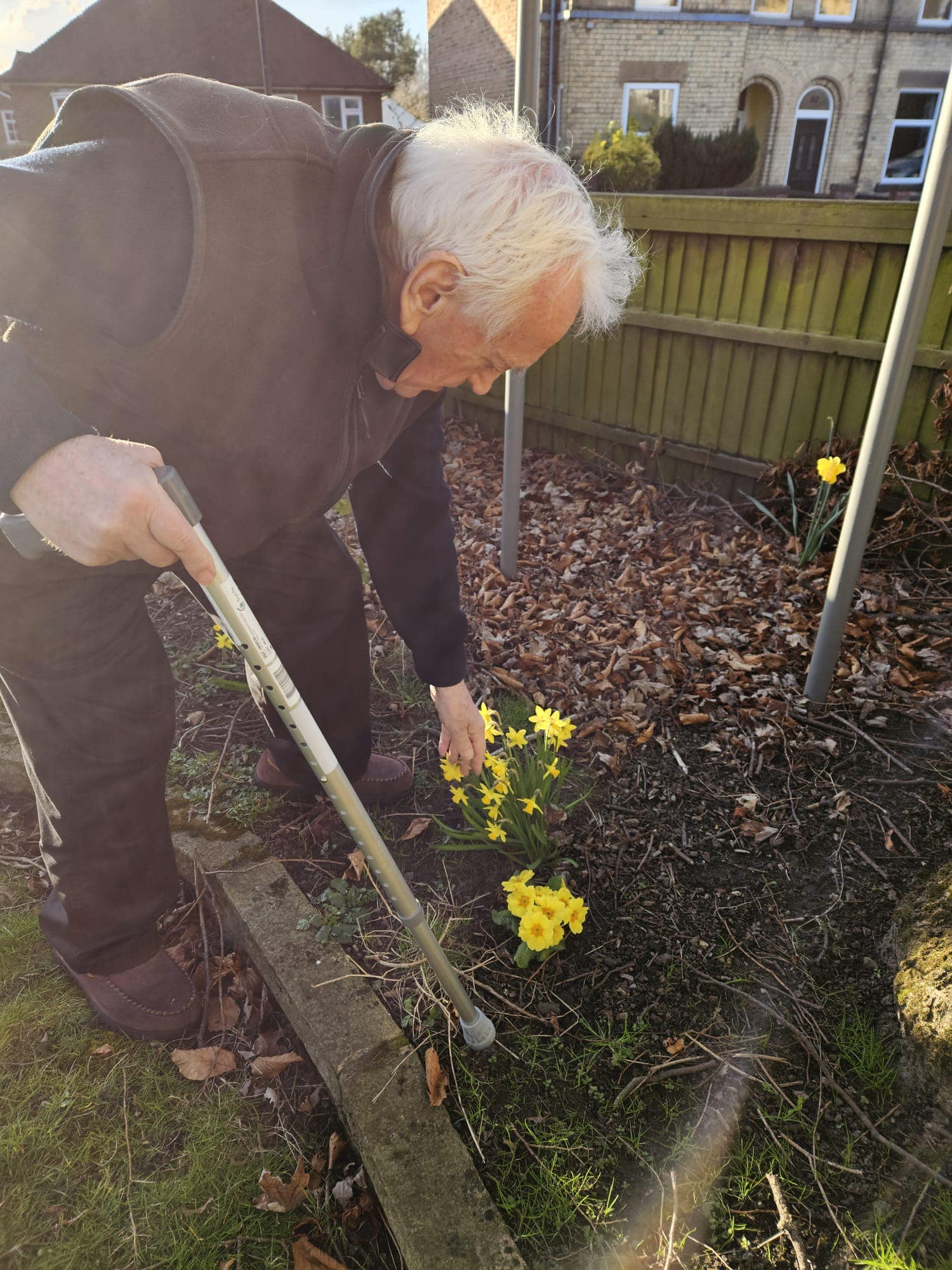
Someone might discover that another resident grew up in the same area, enjoys similar music or shares an interest in gardening.
These connections can develop naturally, without the need for organised activities or formal introductions.
The Value of Everyday Companionship
Social interaction does not always involve large gatherings or planned entertainment.
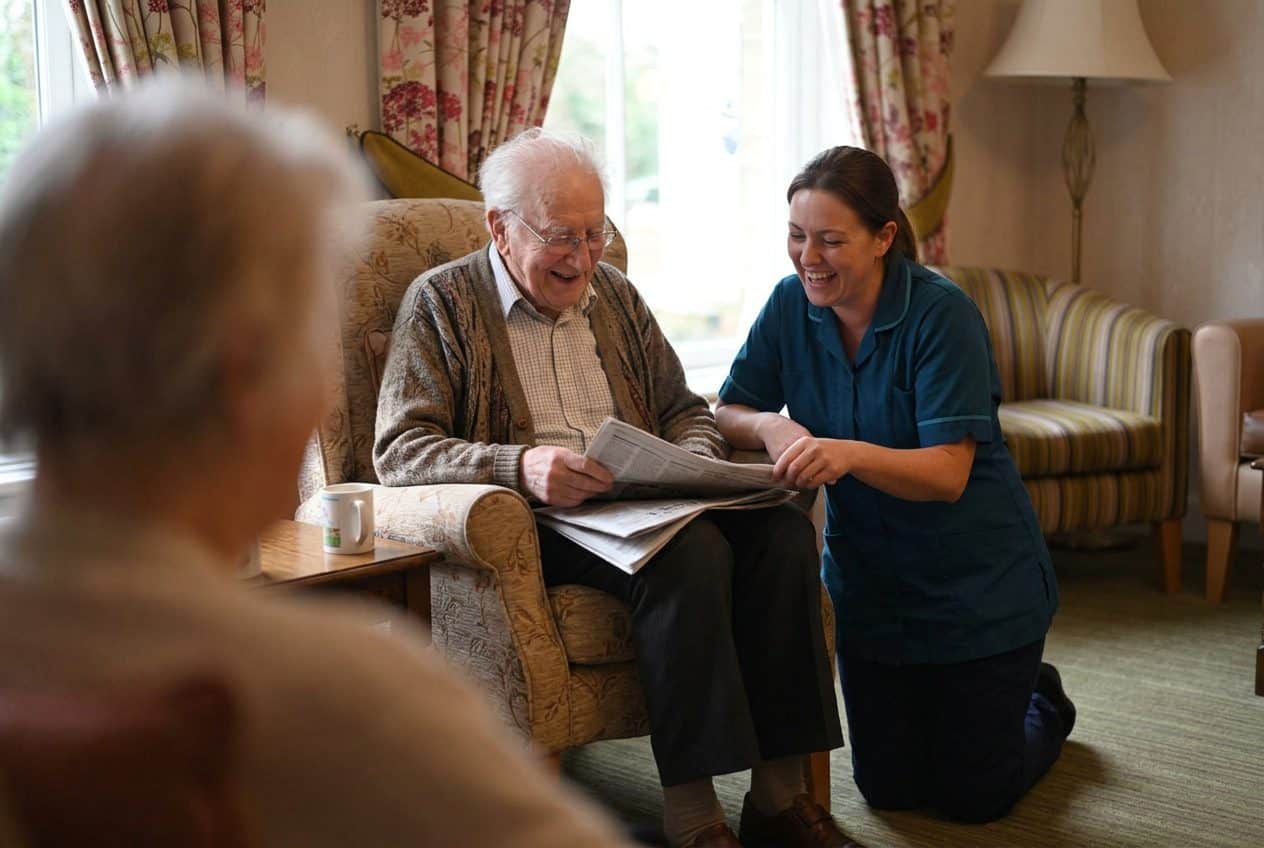
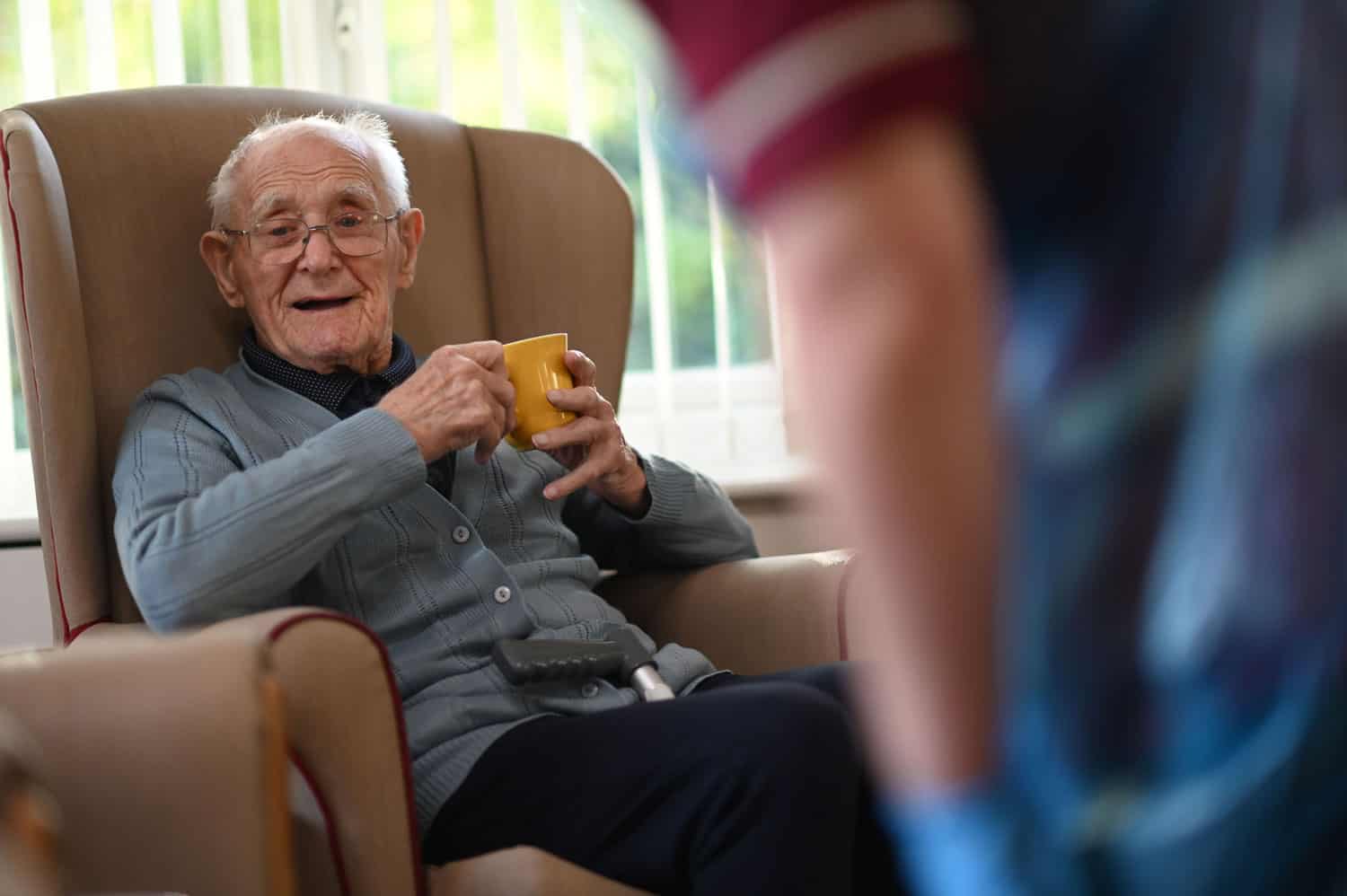
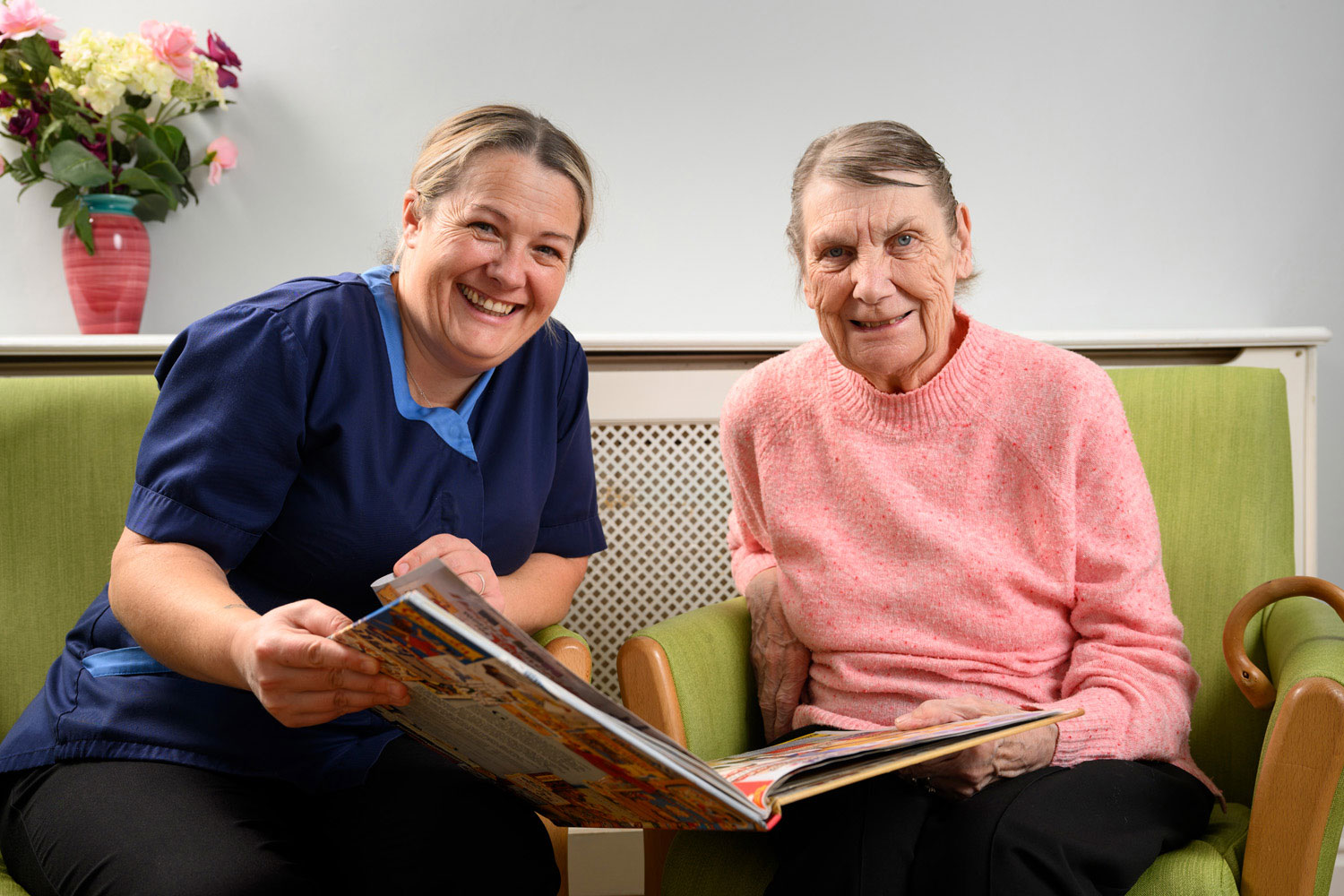
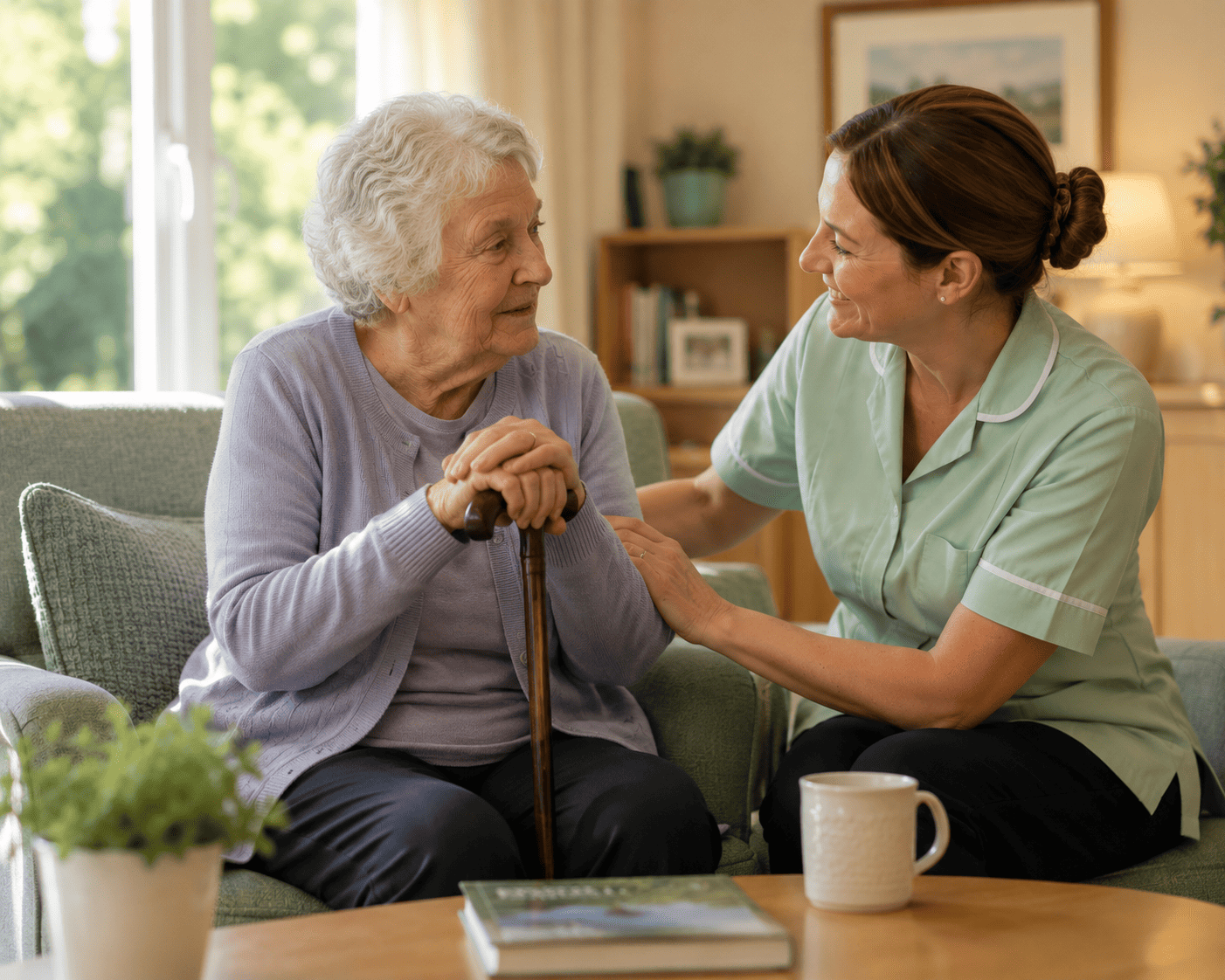
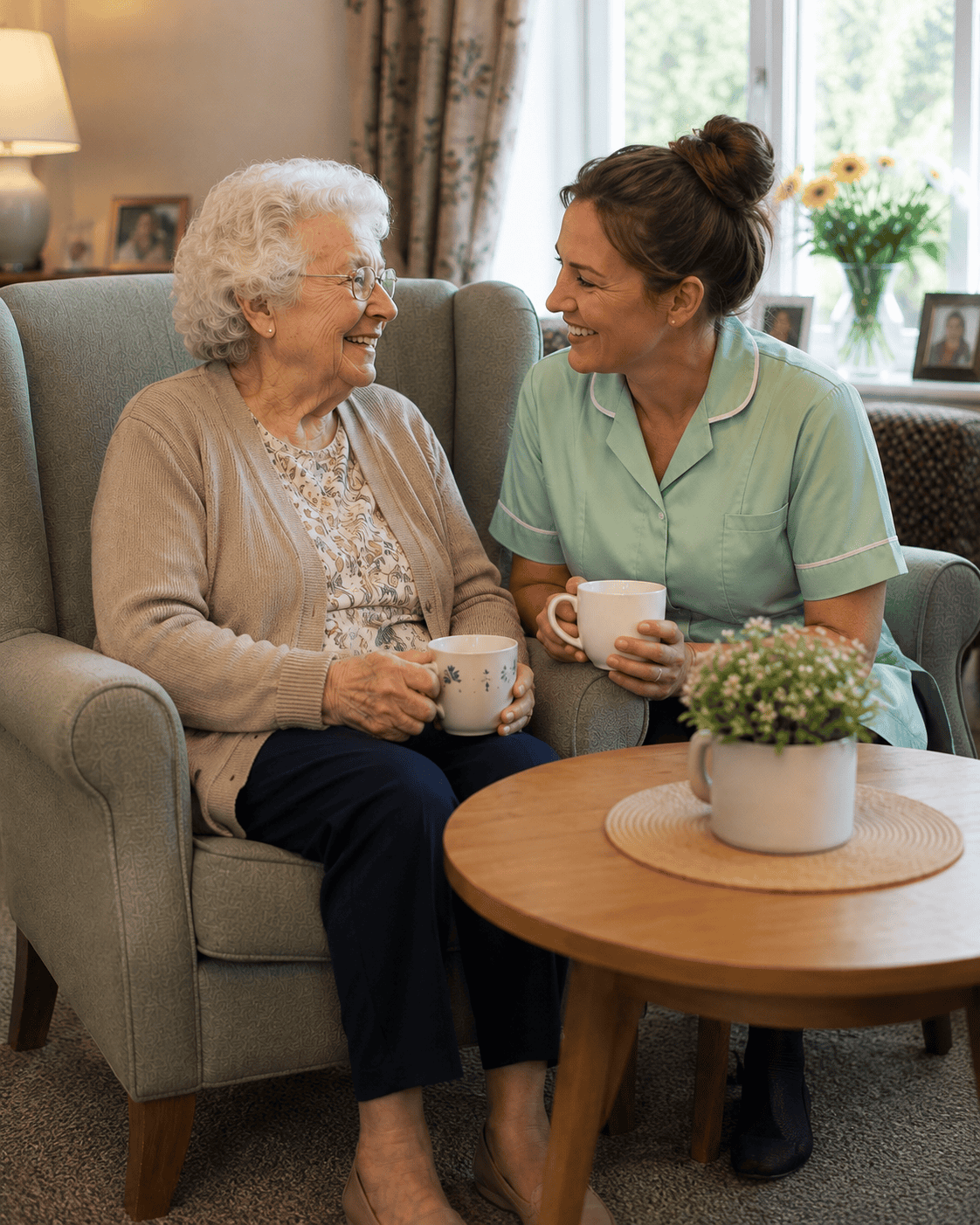
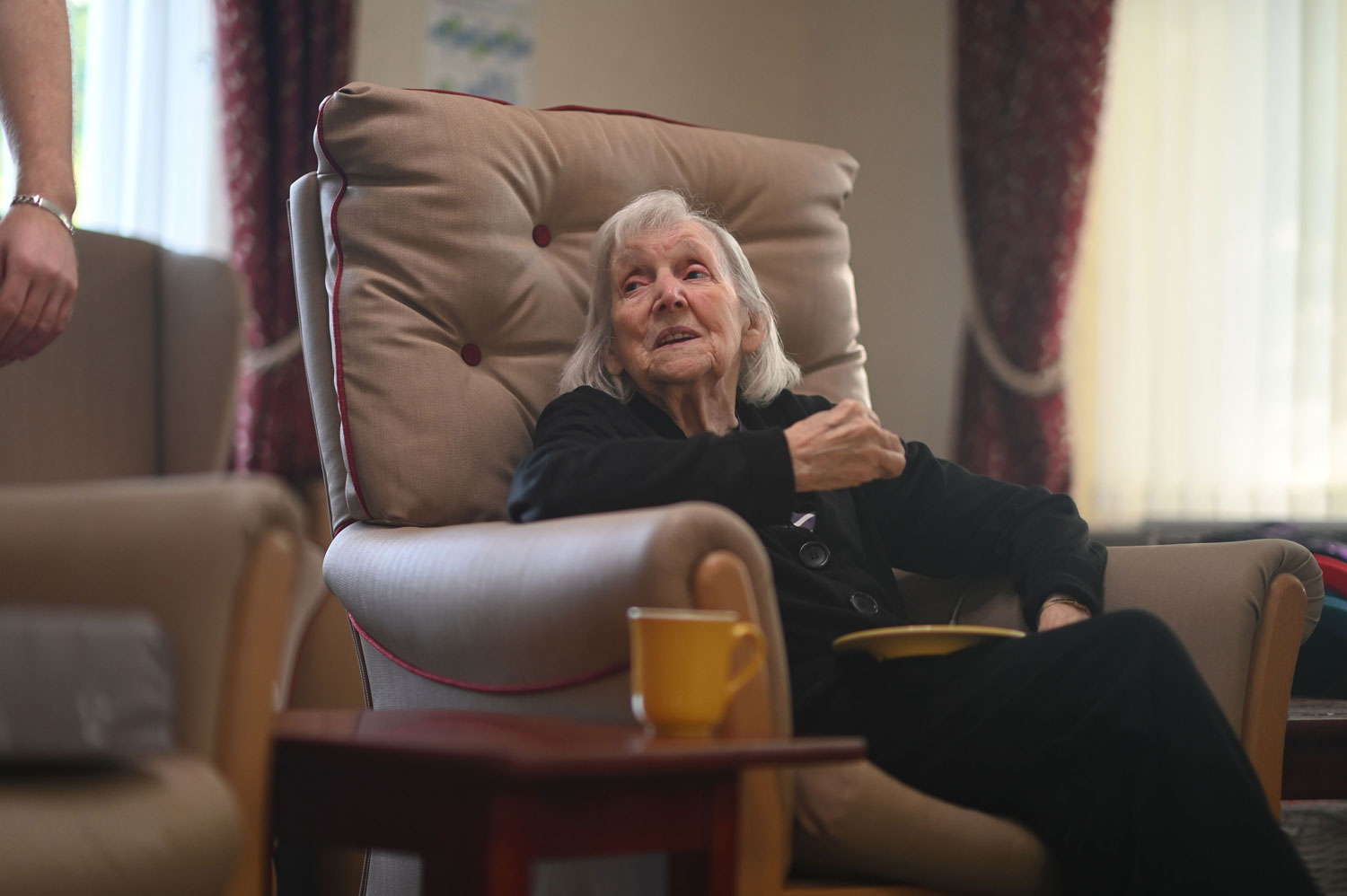
Sometimes, it is simply having someone to talk to over breakfast, watching a favourite television programme together or sharing a laugh during the afternoon.
In a smaller residential setting, these moments can become a regular part of daily life.
Residents may enjoy spending time with others while still having the freedom to retreat to their own room when they want privacy.
That balance between companionship and personal space is important.
Feeling Part of Something
Belonging to a community means more than being surrounded by people.
It means feeling included, recognised and comfortable taking part in everyday life.
For someone who previously lived alone, having opportunities for regular conversation and shared experiences can be especially valuable.
However, not everyone is naturally outgoing.
Some residents prefer quieter interactions, and a smaller environment may make it easier for them to develop connections gradually and at their own pace.
Community Beyond the Care Home
A sense of community can also extend beyond the people living in a care home.
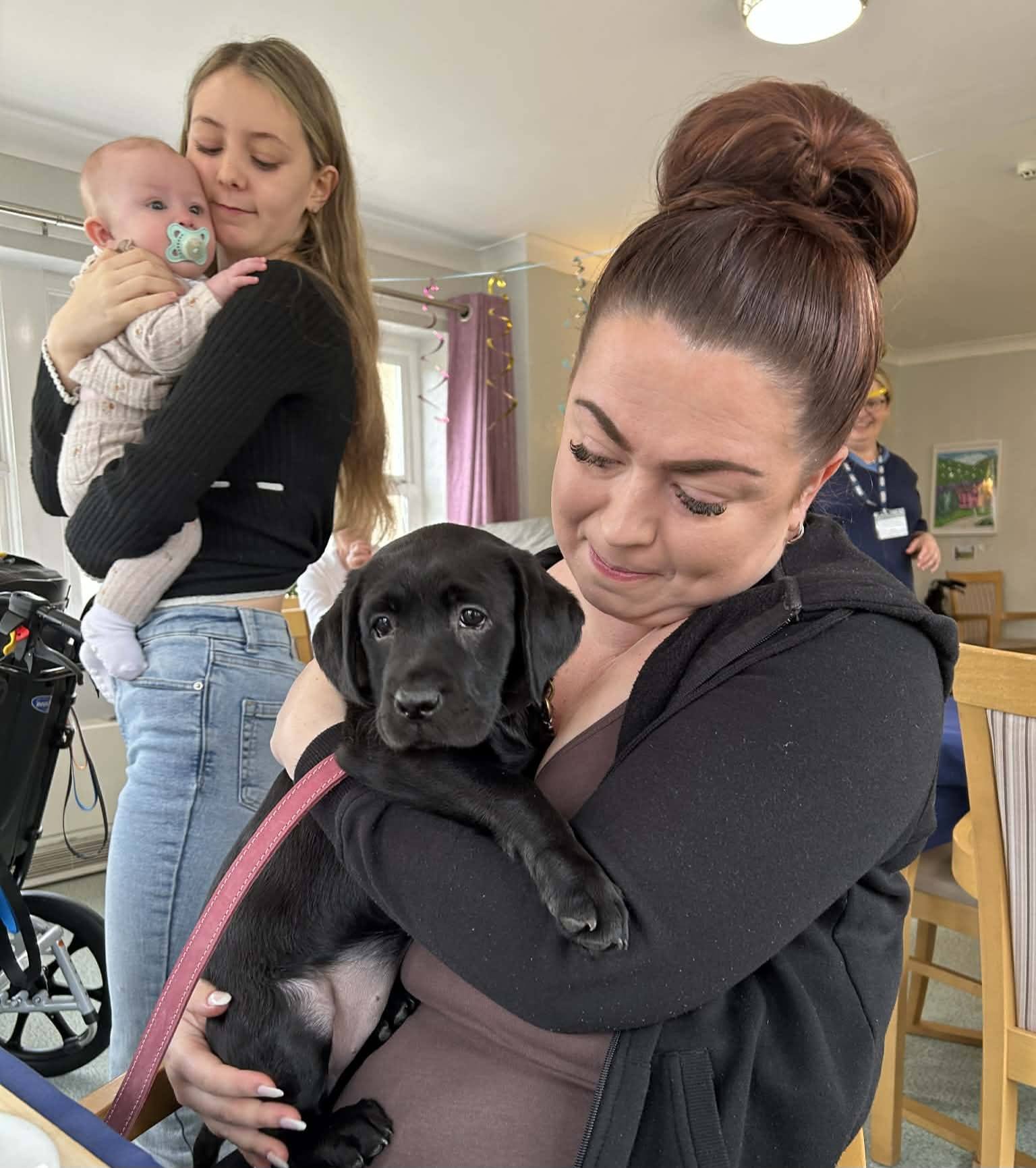
Visits from relatives, local organisations and community groups can help residents maintain connections with the wider world.
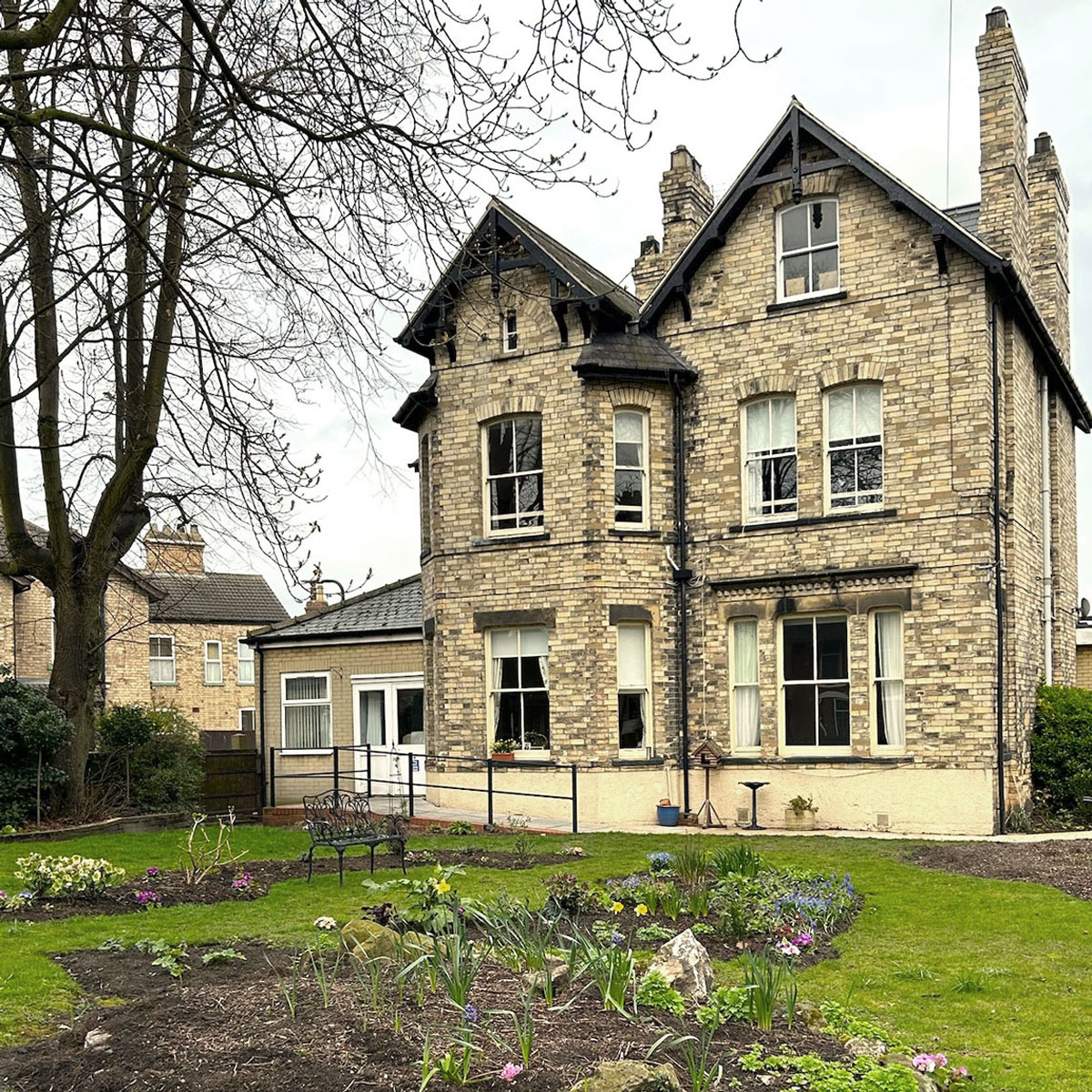
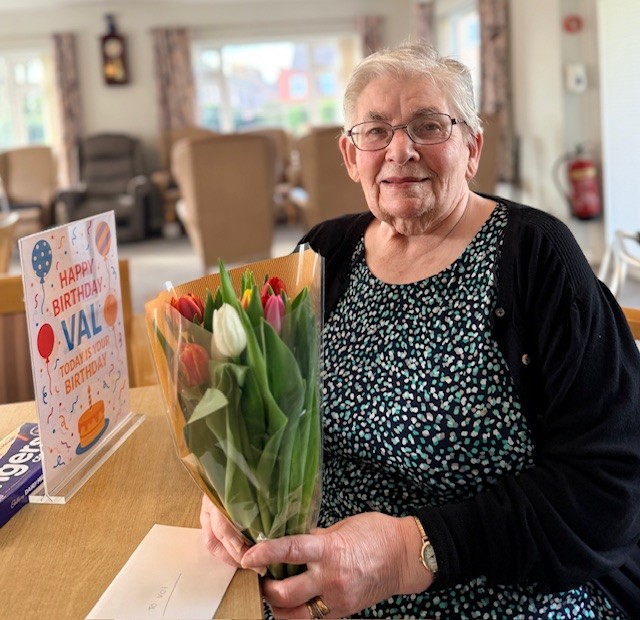
At Ochre Care’s Abbey Lea and Westwood homes, family involvement and links with the local community are an important part of everyday life.
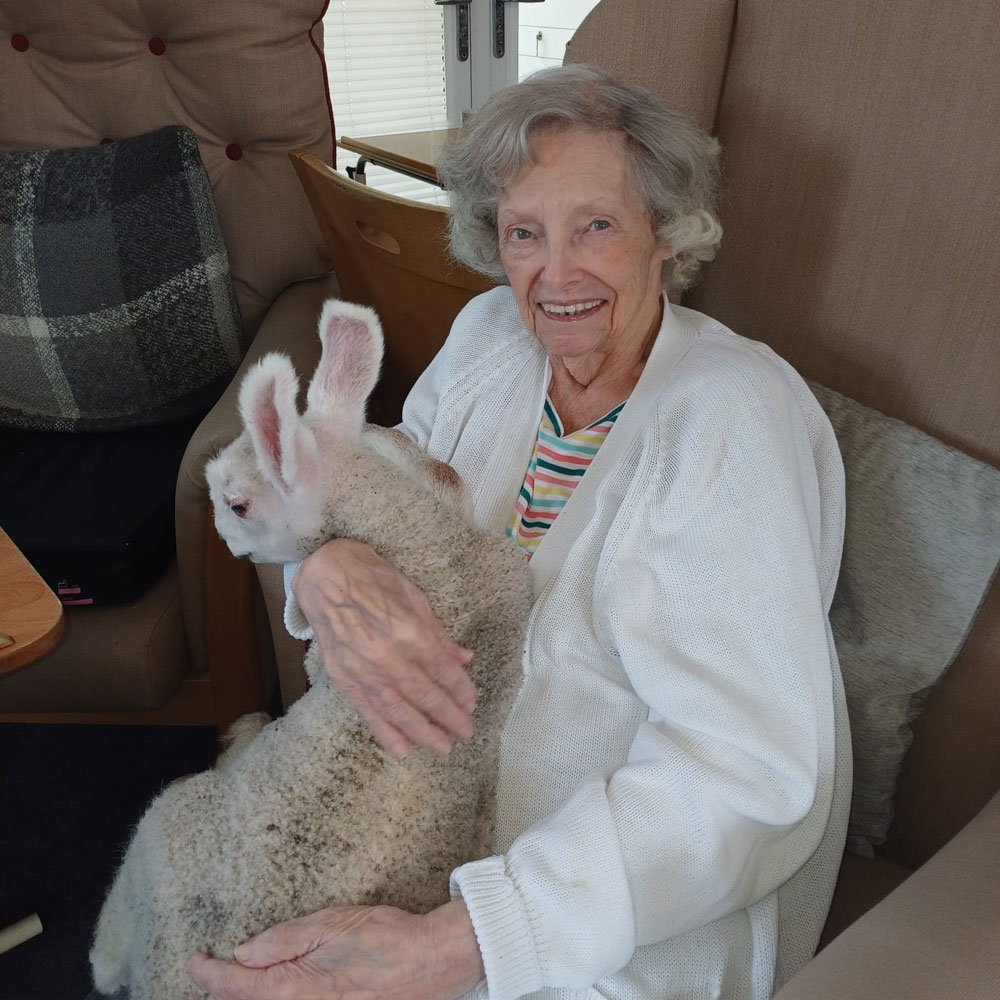
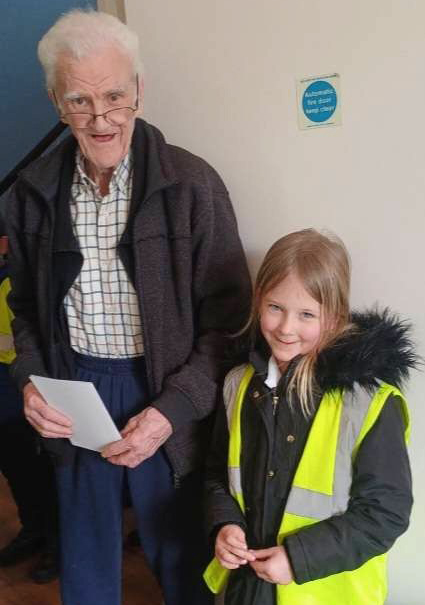
From visits by local schoolchildren to seasonal gatherings and community events, these connections bring different generations together.
A Place to Belong
Living in residential care should not mean leaving behind the enjoyment of being part of a community.
For many residents, a smaller home can offer opportunities to build friendships, enjoy familiar company and develop a sense of belonging.
Because sometimes, what makes somewhere feel like home is not the building itself, but the people you share it with.