Published: 18th November 2026
When someone you love moves into residential care, knowing they are being looked after is naturally important. But for many families, feeling informed and involved matters just as much.
A quick update about how someone is settling in, a conversation about a change in their needs or simply knowing who to contact with a question can provide considerable reassurance. Good communication helps families feel that they remain an important part of their loved one’s life.
Keeping Families Informed
Family members often know someone better than anyone else.
They understand their personality, recognise their habits and may notice small changes that others would not immediately recognise. When care teams and relatives communicate openly, they can share information that helps everyone understand how a resident is feeling and what support they may need. For example, a relative might mention that their loved one has always preferred a quiet morning or becomes unsettled when their usual routine changes.
These details can help staff provide care that feels familiar and personal. Communication also works the other way. Families appreciate knowing about changes in their loved one’s wellbeing, new interests they have developed or adjustments to their care.
The Importance of Everyday Updates
Not every conversation needs to involve something serious.
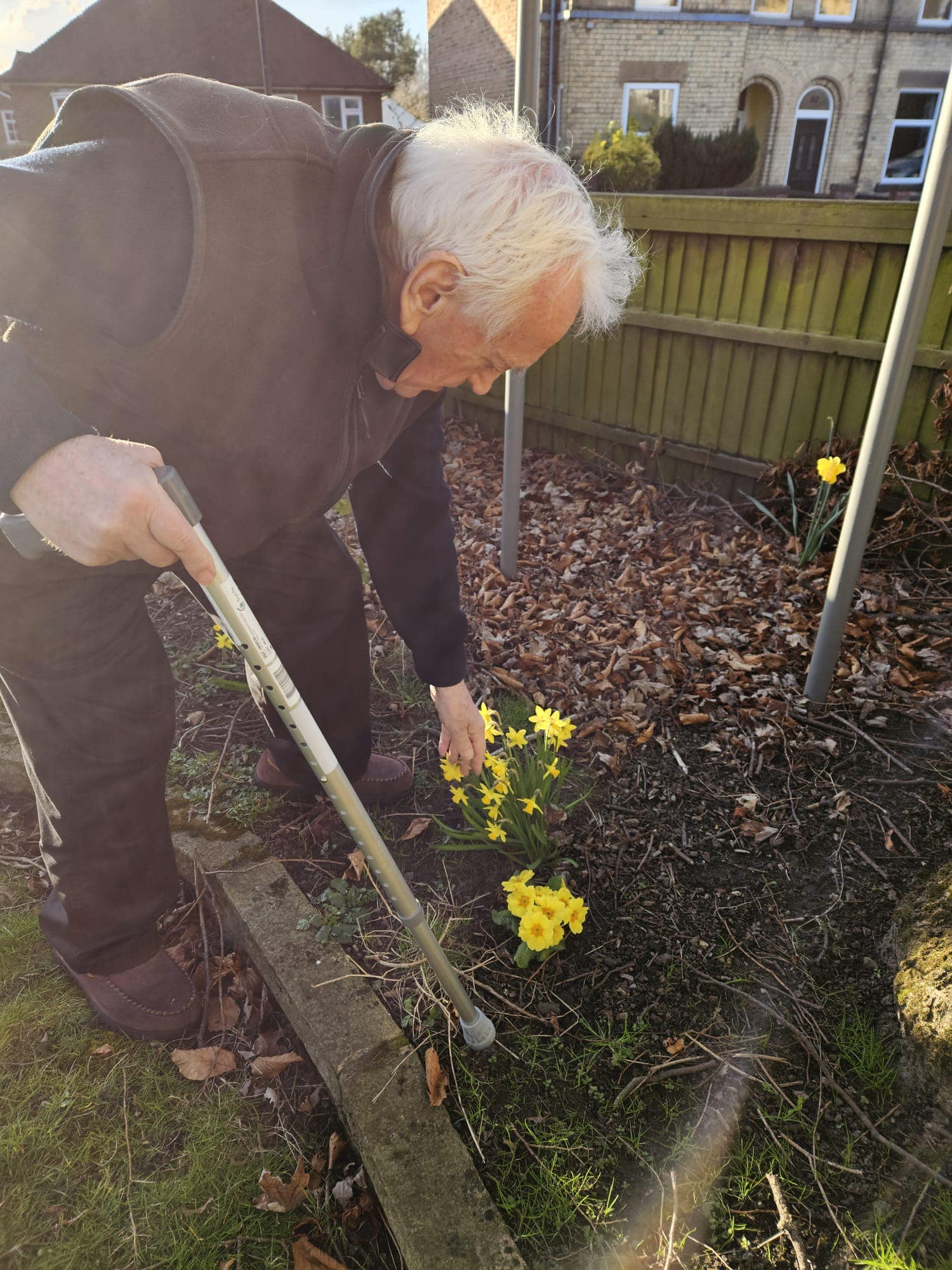
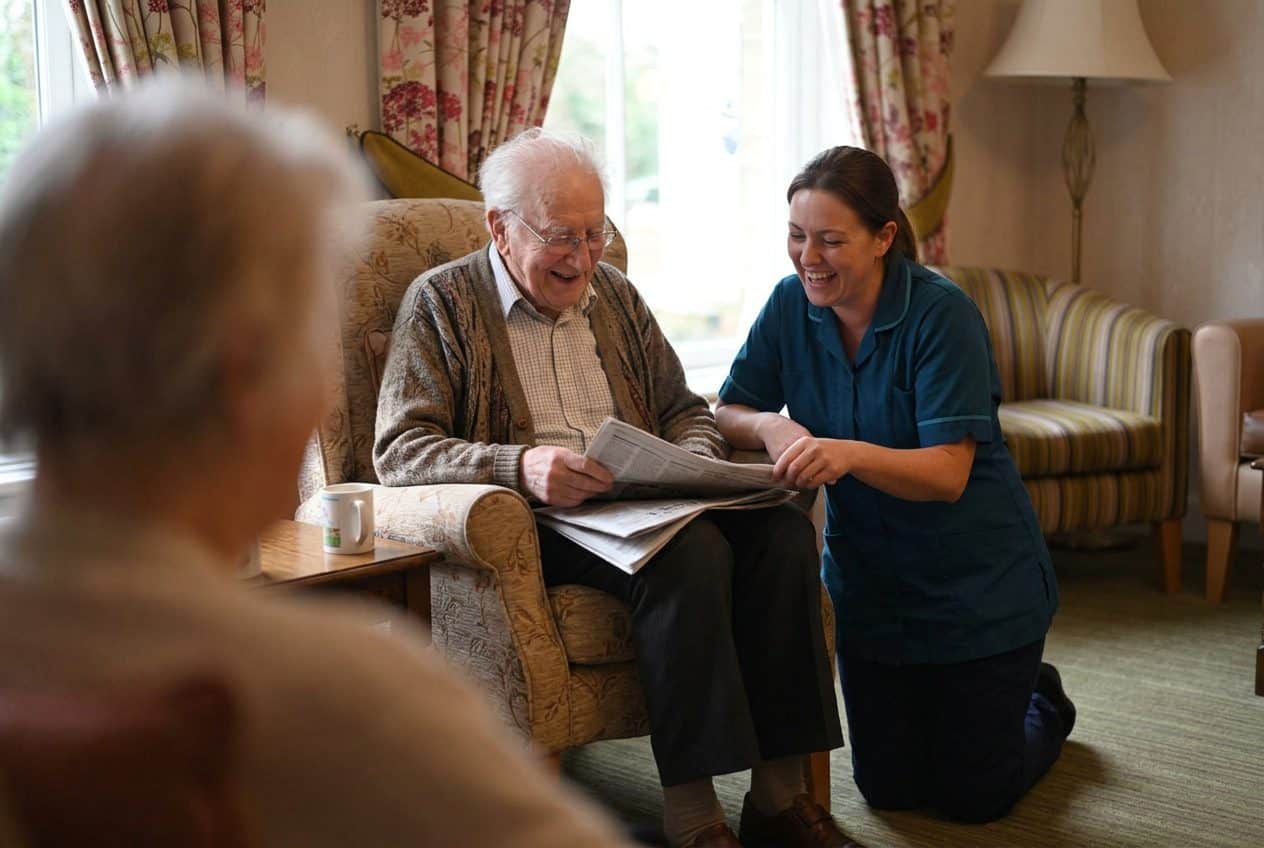
Sometimes, families simply enjoy hearing that their loved one has joined an activity, enjoyed a particular meal or spent a pleasant afternoon with other residents. These small updates can be especially meaningful for relatives who live further away or cannot visit regularly.
They help families remain connected to the ordinary moments that make up someone’s day. Of course, residents’ privacy and preferences should always be respected when information is shared.
Working Together When Needs Change
As people grow older, their care needs may change. They might require additional assistance with mobility, experience changes in their appetite or need more support with personal care.
When families are kept appropriately informed, they have opportunities to ask questions, share concerns and contribute to discussions about their loved one’s care. Good communication can help prevent misunderstandings and ensure that everyone understands the reasons behind important decisions. Most importantly, the resident should remain central to those conversations wherever possible.
Building Trust Over Time
Trust develops through consistency, honesty and knowing that concerns will be taken seriously. Families should feel comfortable asking questions, whether they are about something significant or a small detail. They should also know that their knowledge of their loved one is valued.
At Ochre Care, communication with residents and families is an important part of the approach taken at Abbey Lea and Westwood. Both homes aim to provide clear, timely communication and involve families in understanding residents’ individual needs and wishes.
Feeling Involved, Even When You Are Not There
Moving into residential care changes where someone lives, but it should not change the importance of their relationships with family. Good communication helps relatives remain involved, informed and connected.
Because peace of mind comes not only from knowing someone is receiving appropriate care, but also from feeling that you are still part of their everyday life.