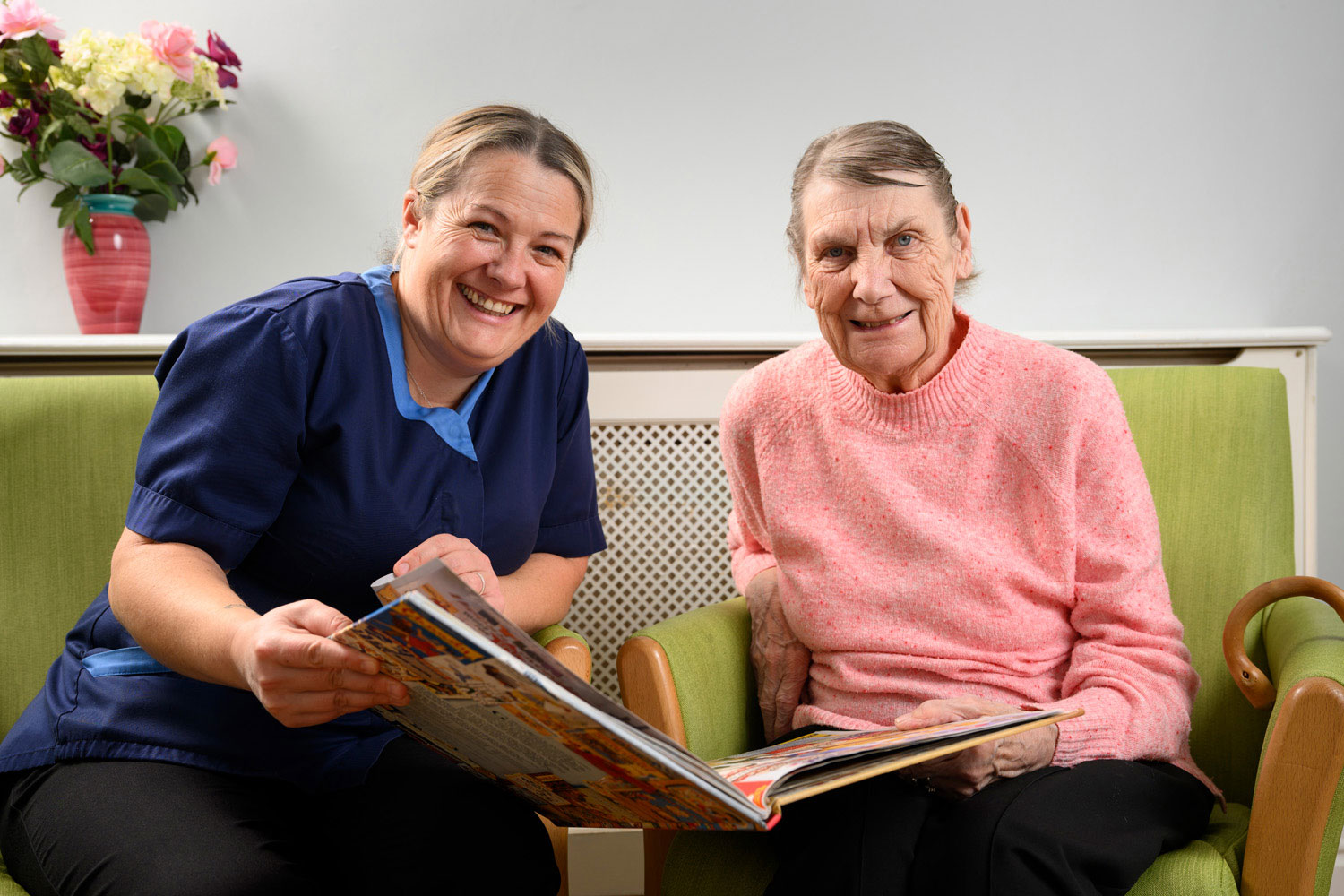
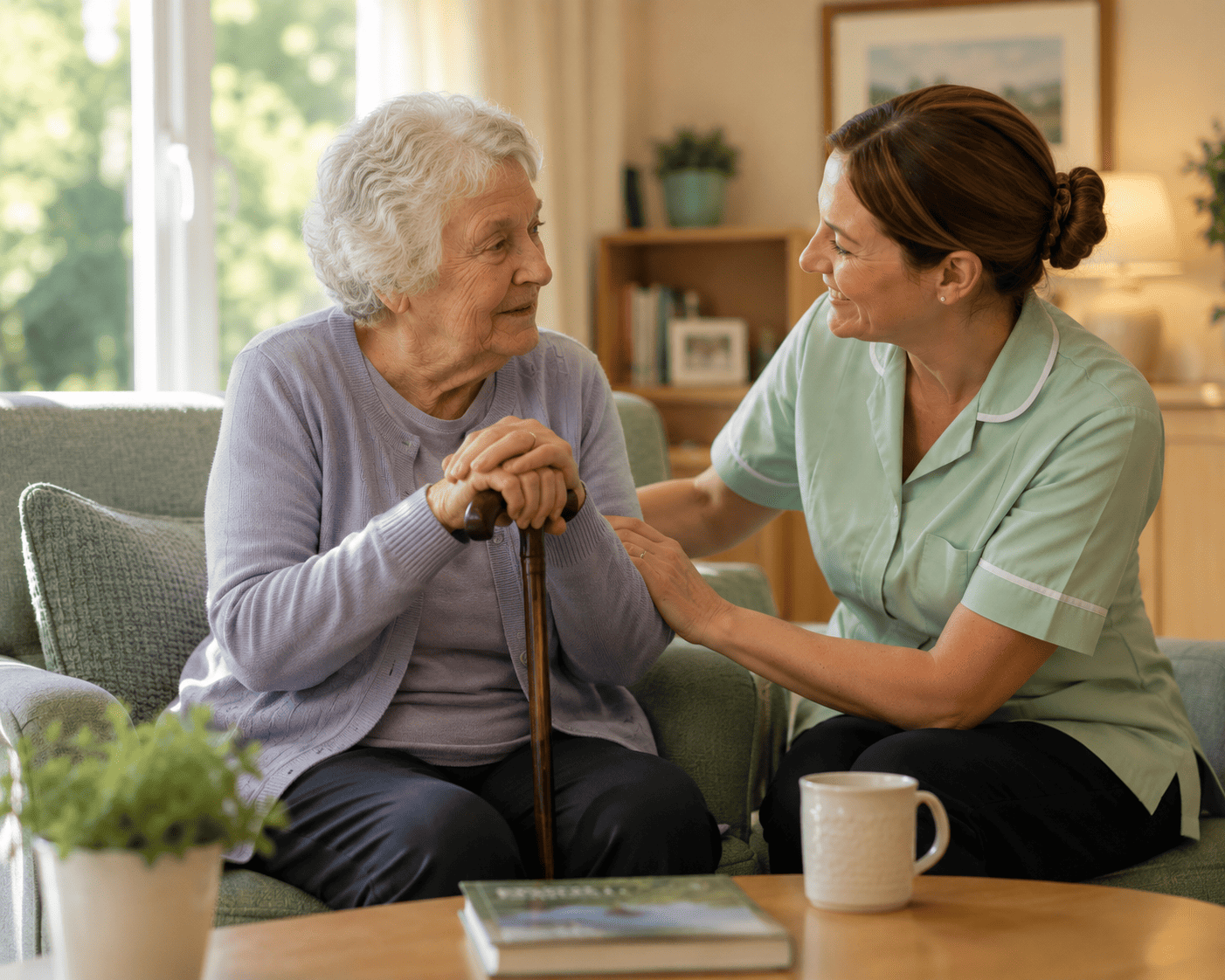
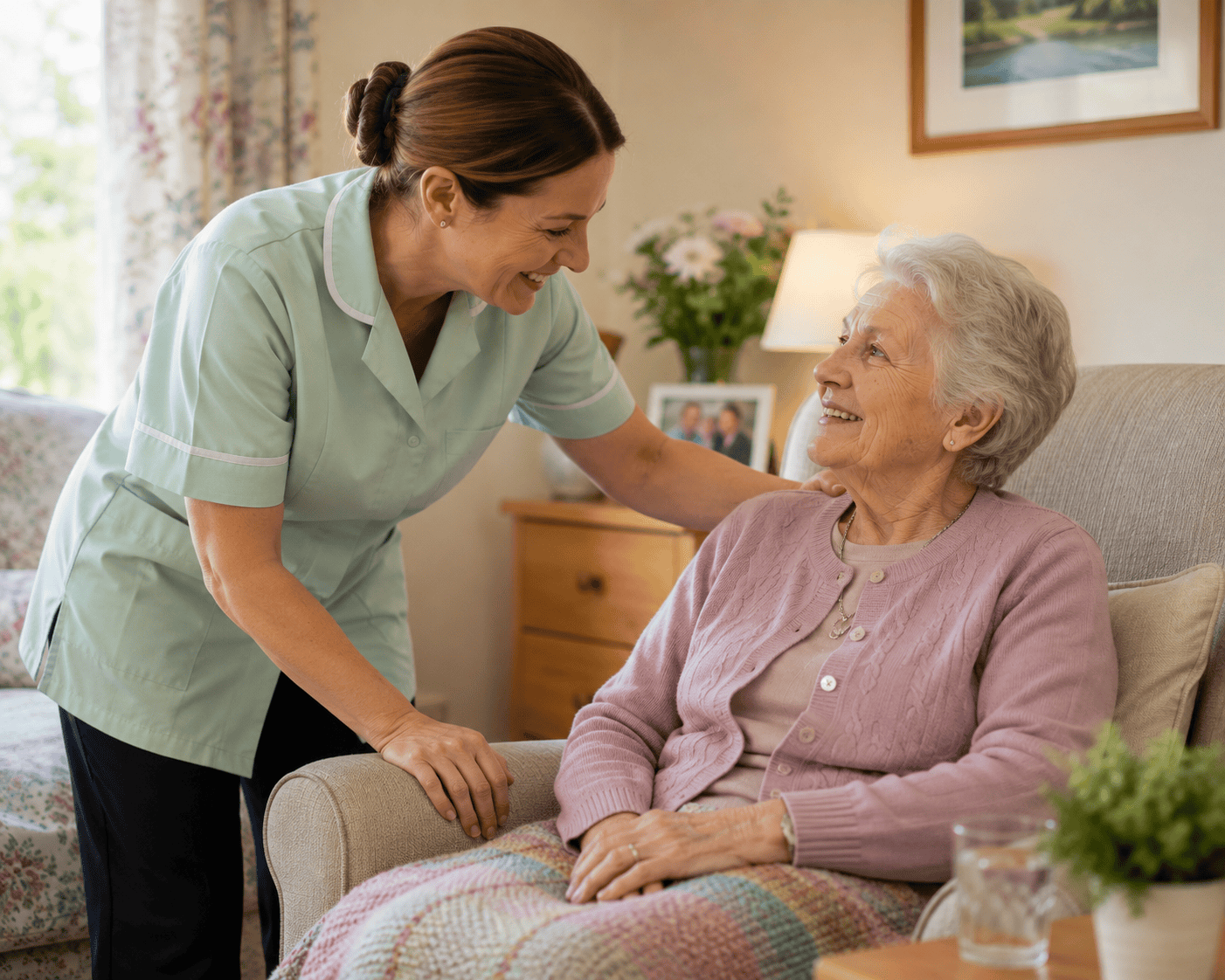
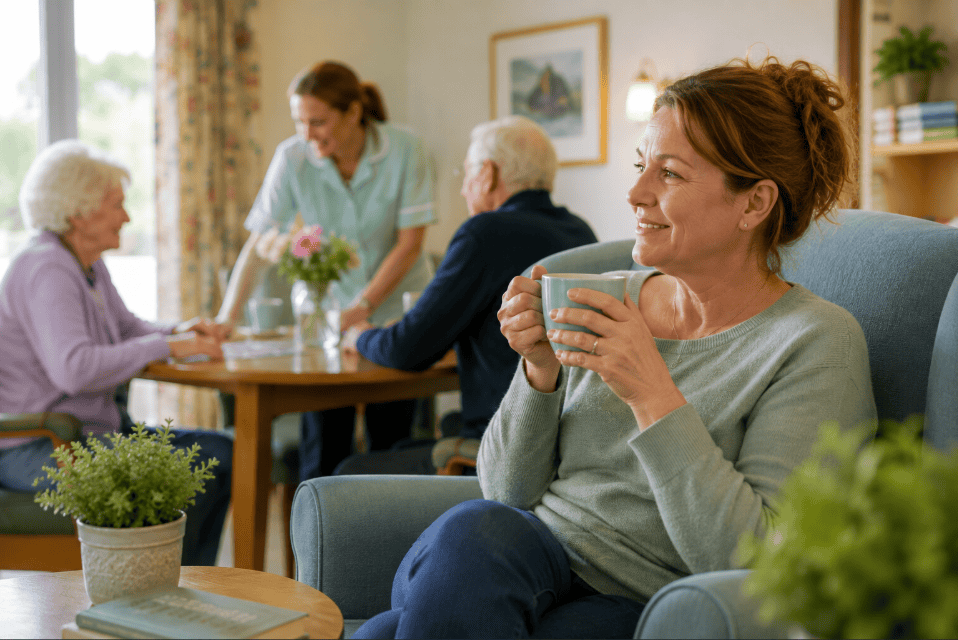
When families think about health in a care home setting, their minds often go first to medication management, GP visits, and clinical oversight. Those things matter, and we and are managed very carefully. But the residents who tend to thrive are those who feel connected, stimulated, celebrated, and part of something. This is how we think about wellbeing at Ochre Care, and what that looks like in practice.
The homes we want to be
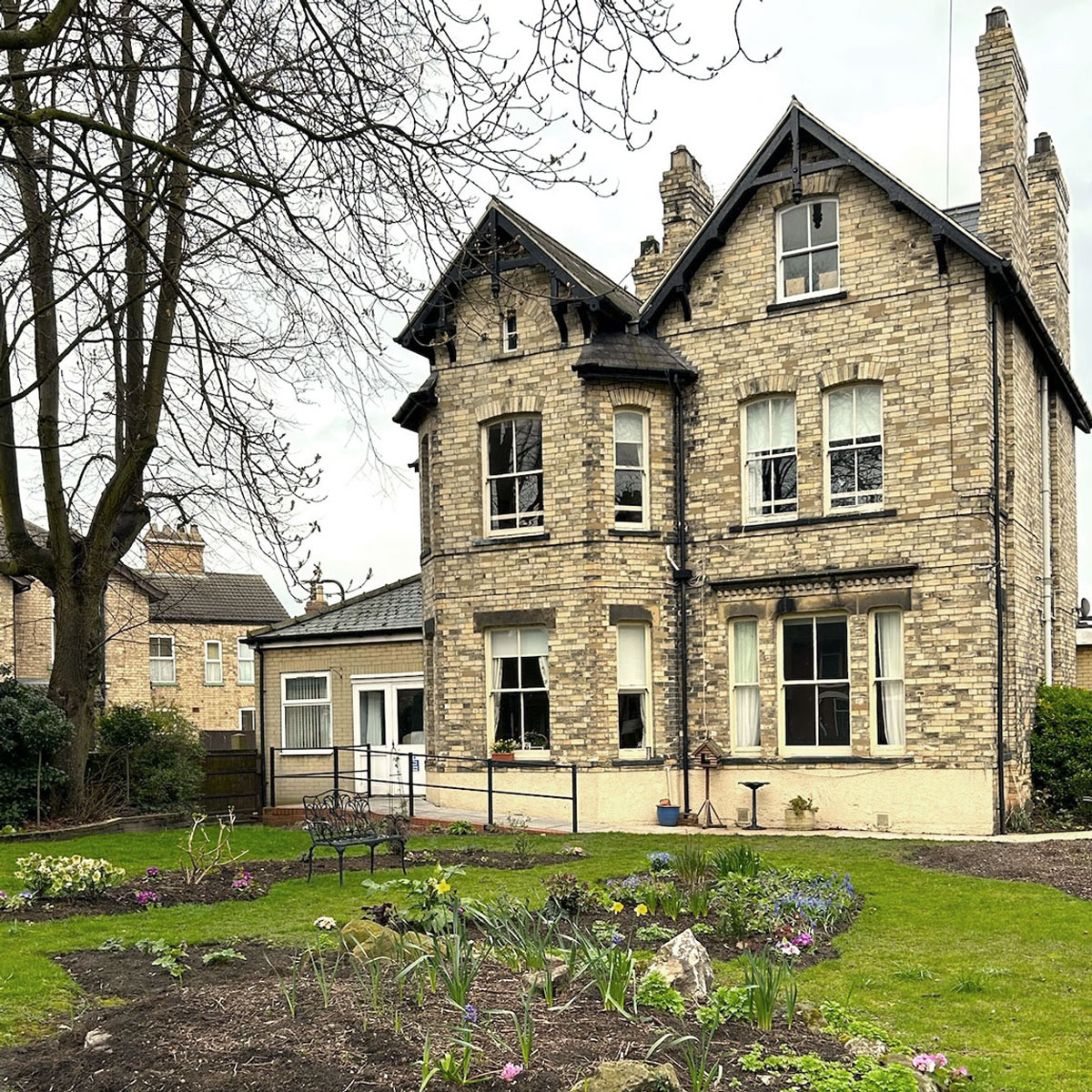
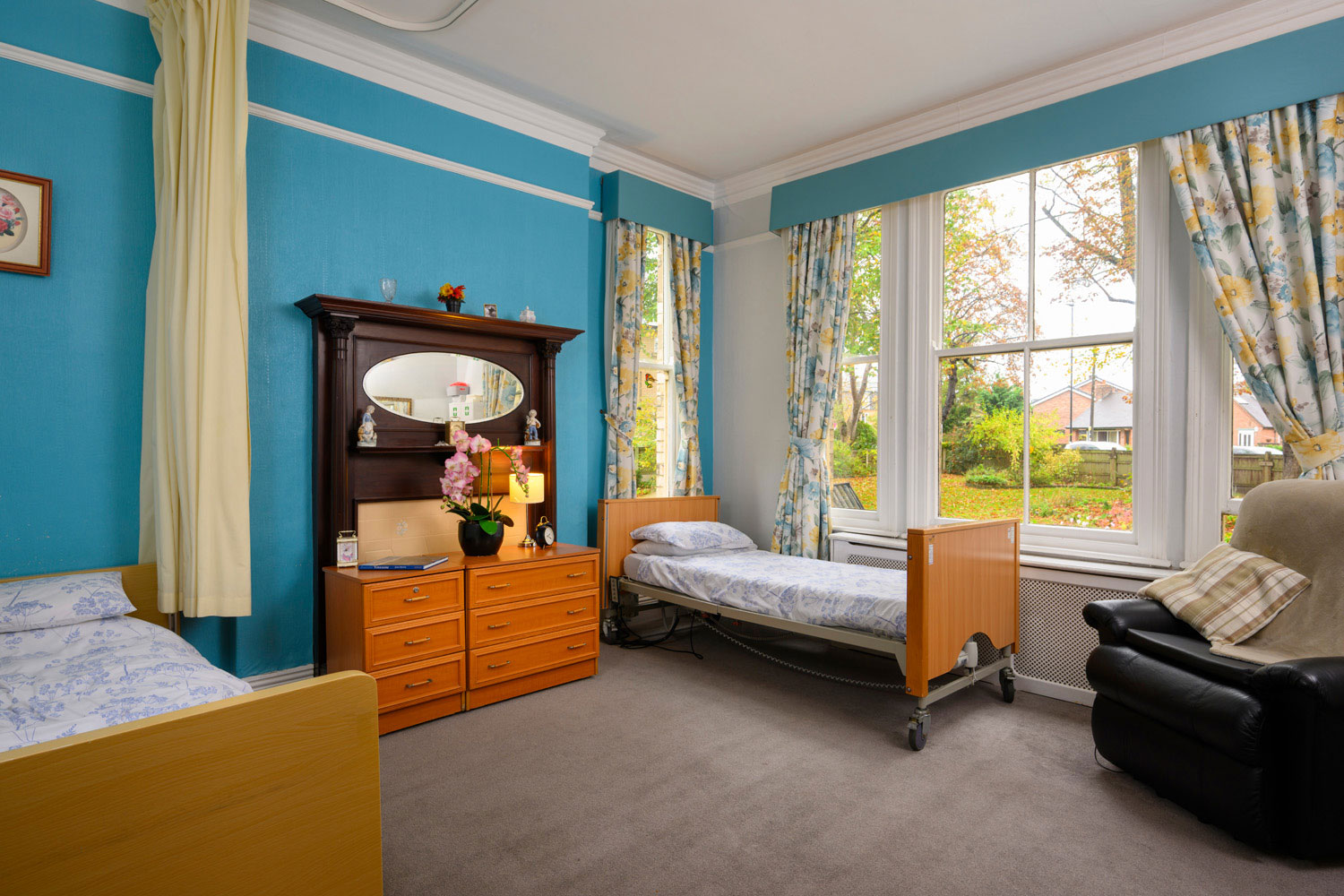
Our starting point is straightforward: we want our homes to feel like homes. Not clinical environments, not waiting rooms, but warm, lived-in places where people have things to look forward to, people to talk to, and a genuine sense of belonging.
That shapes every decision we make, from how we arrange communal spaces to what we serve for lunch to who walks through the door on a Tuesday morning. Wellbeing, in our experience, is built from small things done consistently well, and from a culture where staff see the whole person in front of them, not just a care plan.
Keeping the door open: social connection and community
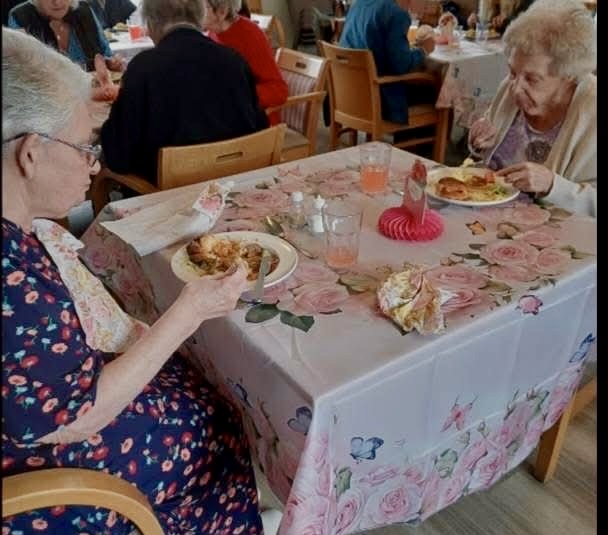
Loneliness is one of the most significant and underacknowledged risks to health in older age. The research is unambiguous: social isolation affects physical health, cognitive function, and emotional resilience in ways that rival many clinical conditions.
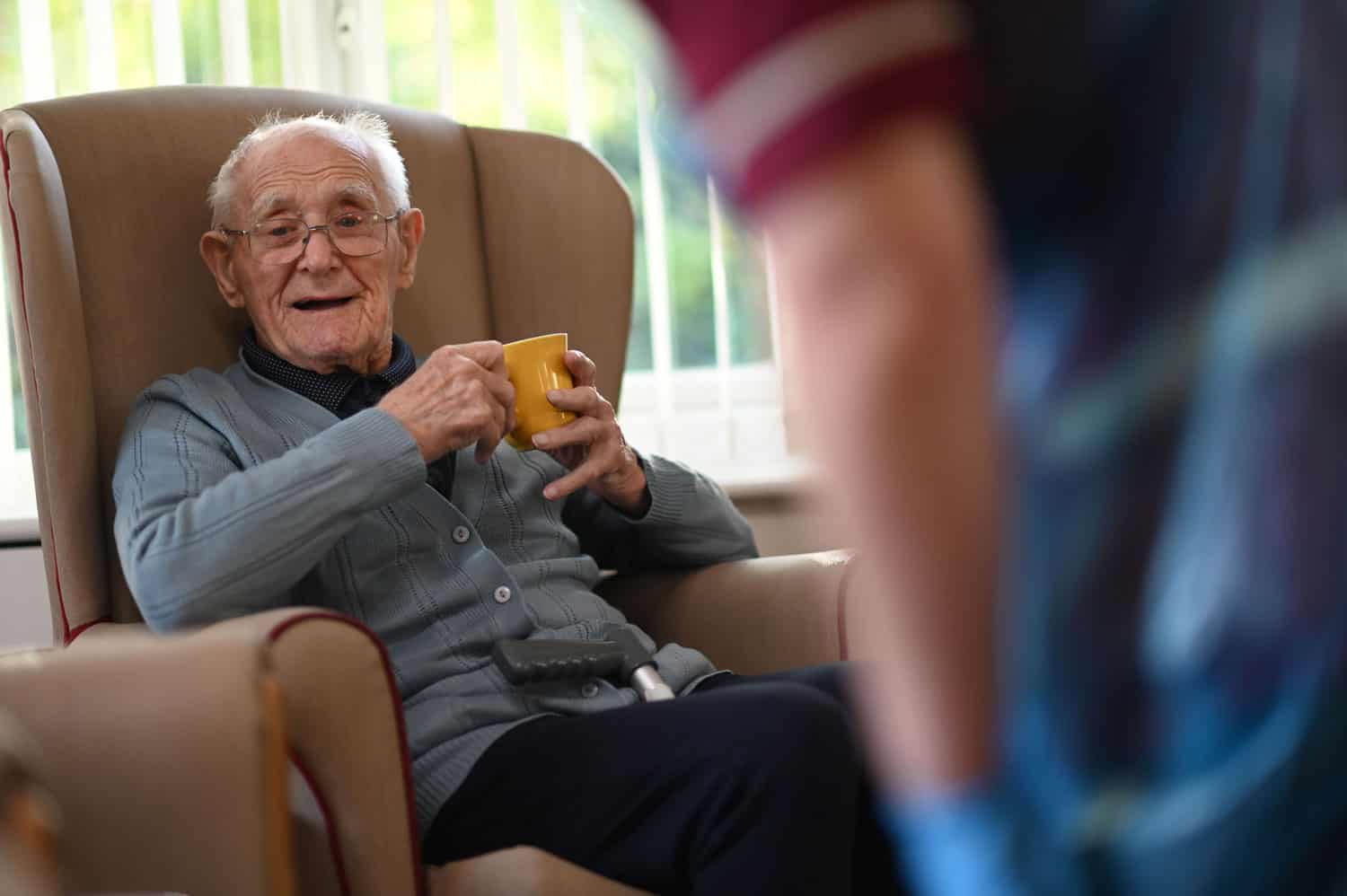
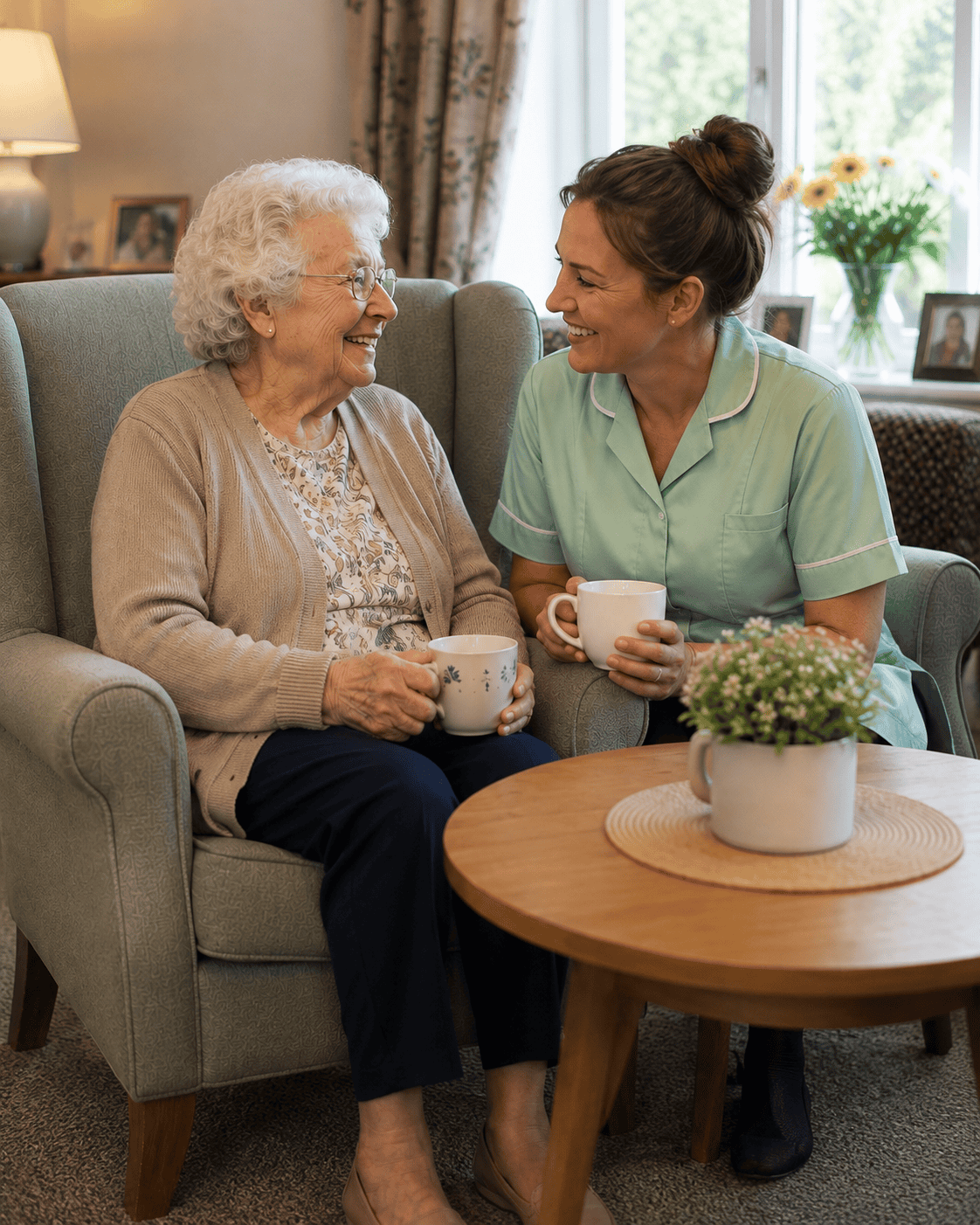
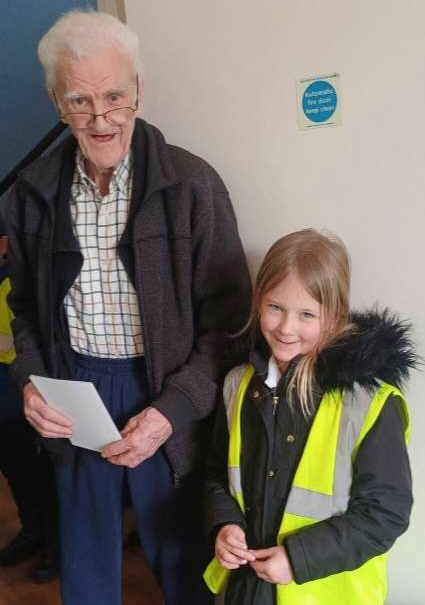
One of the things we feel strongly about is that our homes should be genuinely open and inviting, not just to residents’ own families, but to the wider community. Our regular coffee mornings are one expression of this. They are open, informal, and intentionally social. They give residents something to look forward to, a reason to get up and dressed, and a chance to sit with people they might not otherwise meet. For families who drop in, they are also a window into everyday life at home.
Social areas in our homes are designed to be comfortable and genuinely inviting. We want residents to want to spend time in them, and we want visitors to feel at ease the moment they arrive. The atmosphere of a home is something you feel within a few minutes of walking in and we work hard to make sure it feels warm, calm, and alive.
Music, memory, and mood
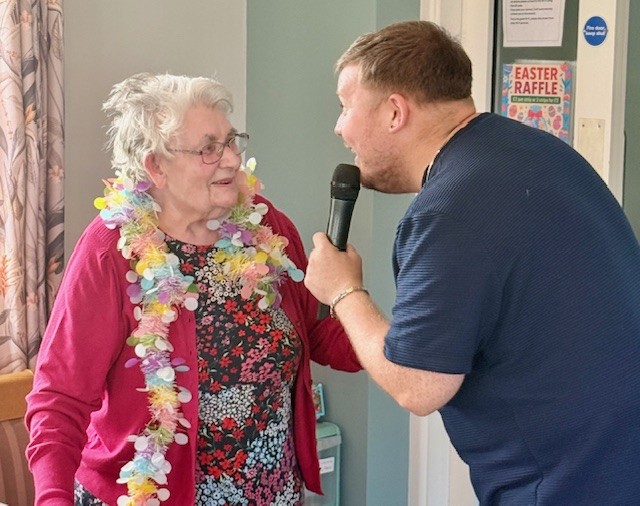
Few things reach people the way music does. For residents living with dementia in particular, music has a remarkable ability to unlock memory and emotion in ways that conversation sometimes cannot. A song from decades ago can bring a person back to themselves in a way that is genuinely moving to witness.
We use music throughout our homes not just as background noise, but as a tangible part of the homes. Music sessions that draw on the decades residents grew up in, songs that prompt stories and recognition and that residents want to get up and move to! The physiological effects are real: music reduces anxiety, lifts mood, and stimulates the brain in ways that support cognitive health. But beyond the research, there is something simpler, it makes people happy, and that is almost the most important effect.
Staying active
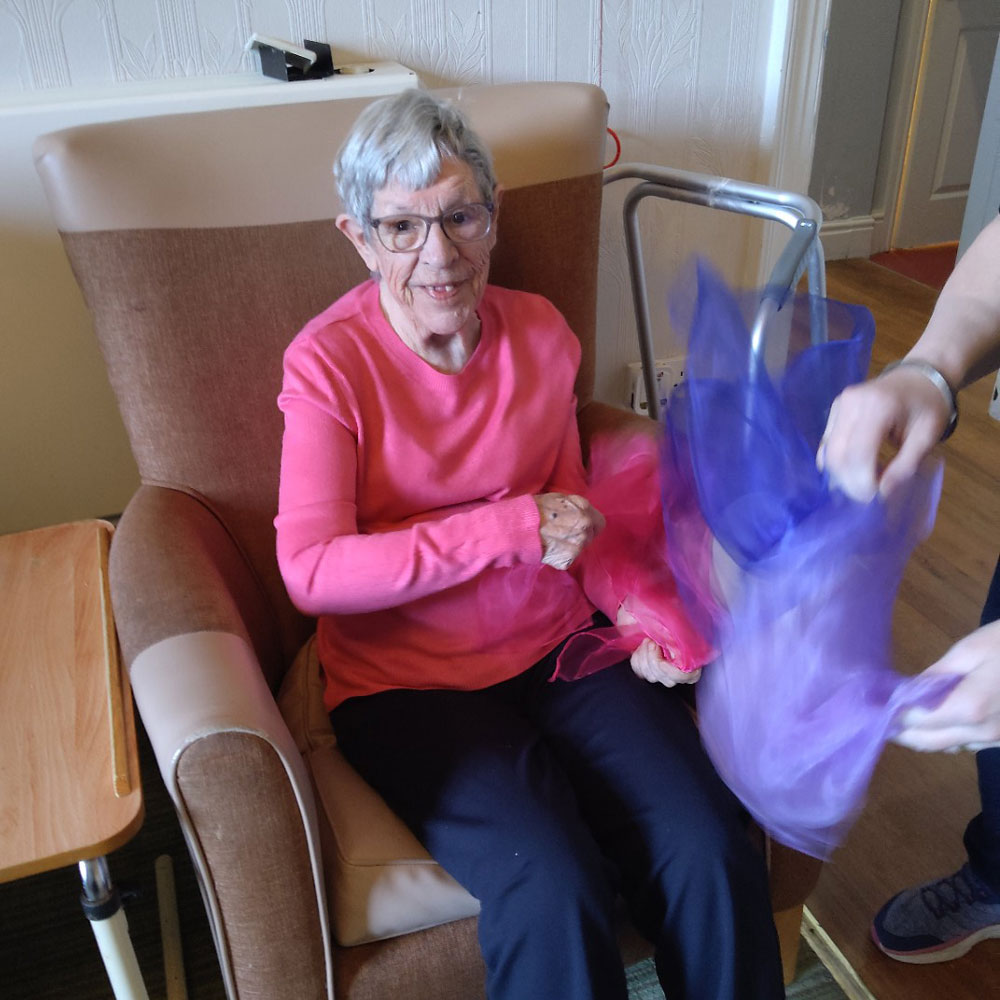
Keeping the body moving is one of the most important things a care home can support and one of the easiest to underestimate. Gentle, regular movement helps maintain muscle strength, supports circulation, reduces the risk of falls, and contributes to better sleep and mood. For older people, even a few weeks of inactivity can have a disproportionate effect on physical capability, making it hard to reverse.
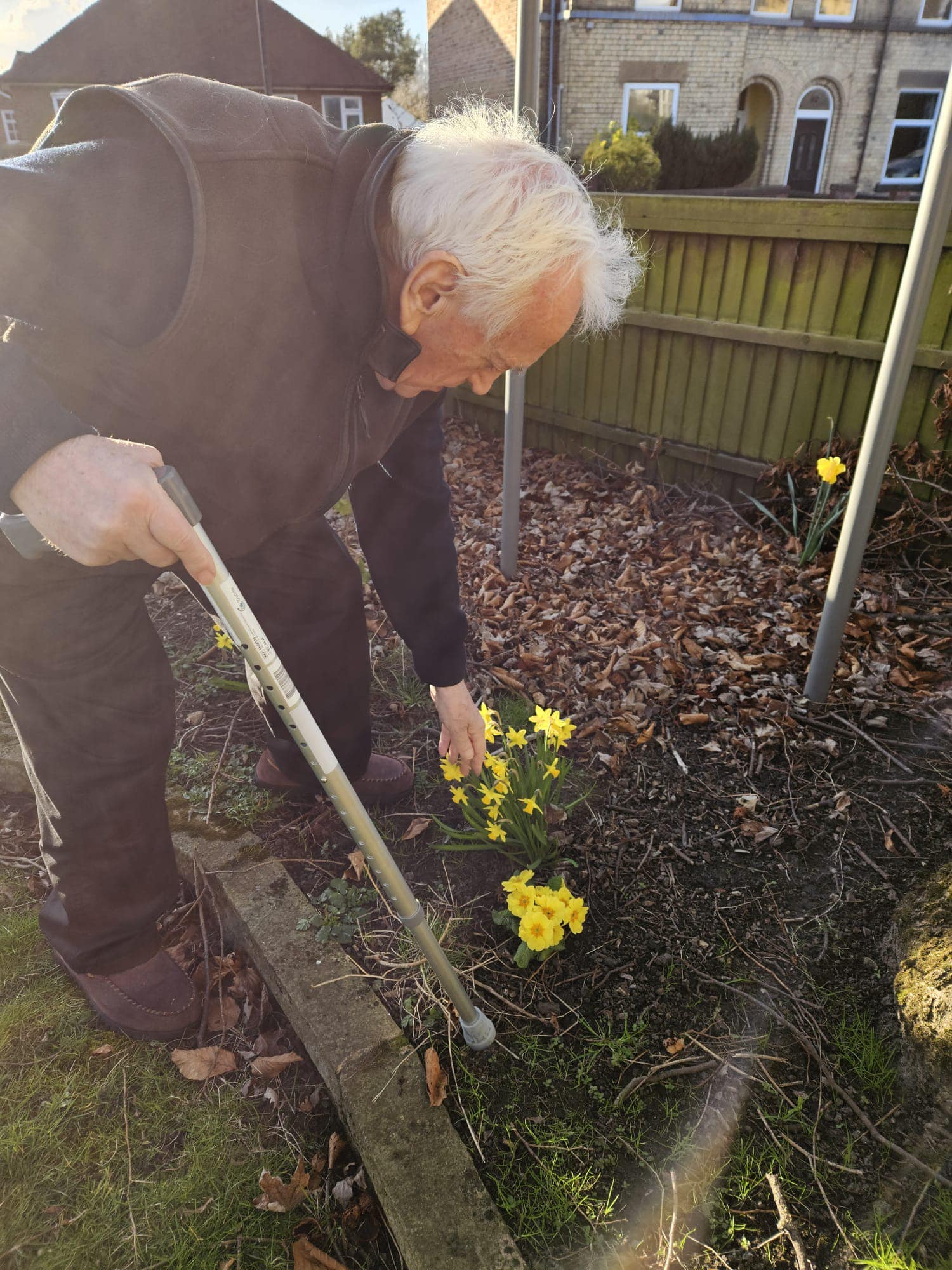
We encourage residents to stay as active as their health and mobility allow, and our activities programme is designed with this in mind. That might mean a short walk in the garden on a good day, a seated exercise session, or simply making sure that residents are up, about, and moving through the day rather than spending long periods sitting.
Small, consistent effort over time makes a real difference.
Sensory experience: animals, touch, and the world outside
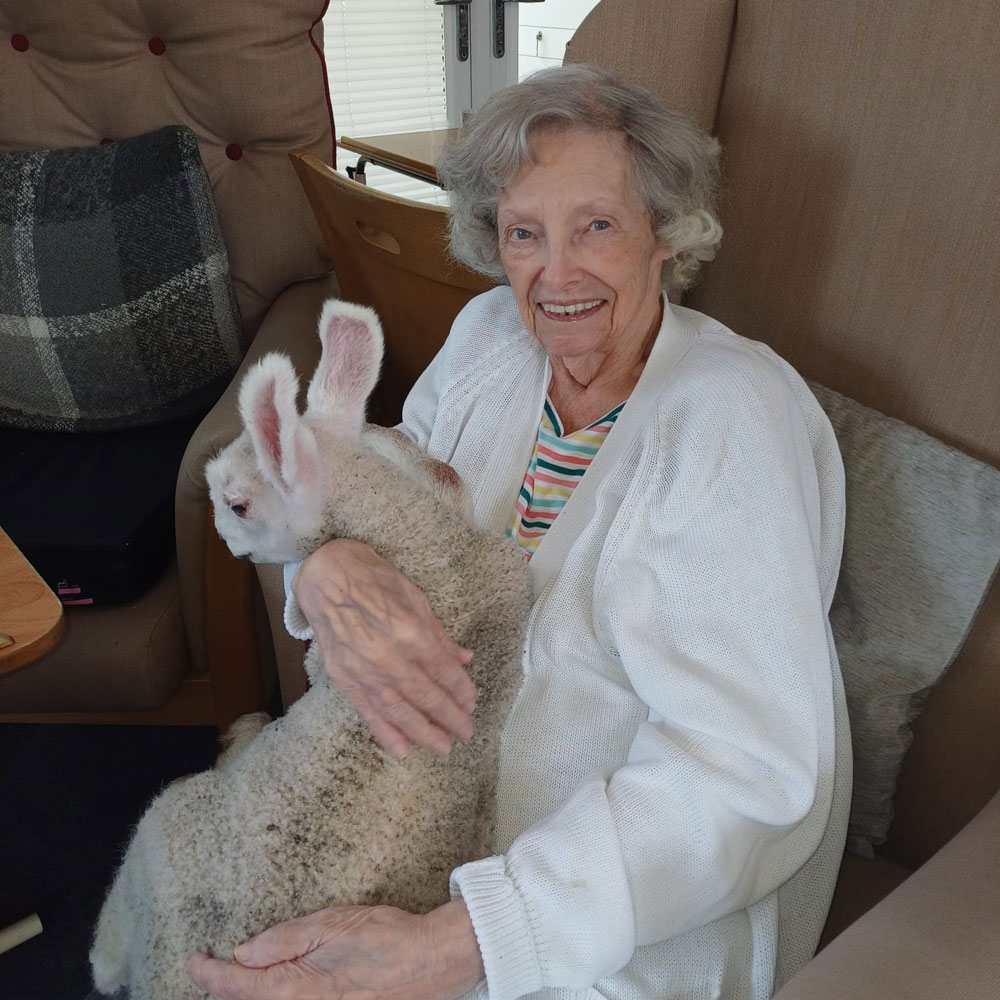
Sensory stimulation – things that engage the senses of sight, sound, touch, and smell – plays an important role in well-being, particularly for residents living with cognitive decline. When language becomes difficult, sensory experience often remains. It grounds people in the present, triggers positive emotional responses, and can reduce agitation and anxiety.
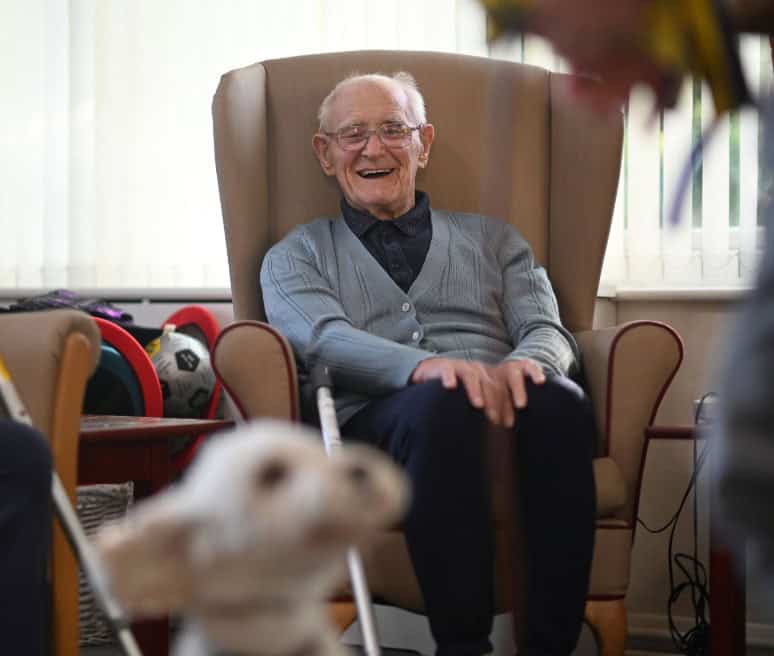
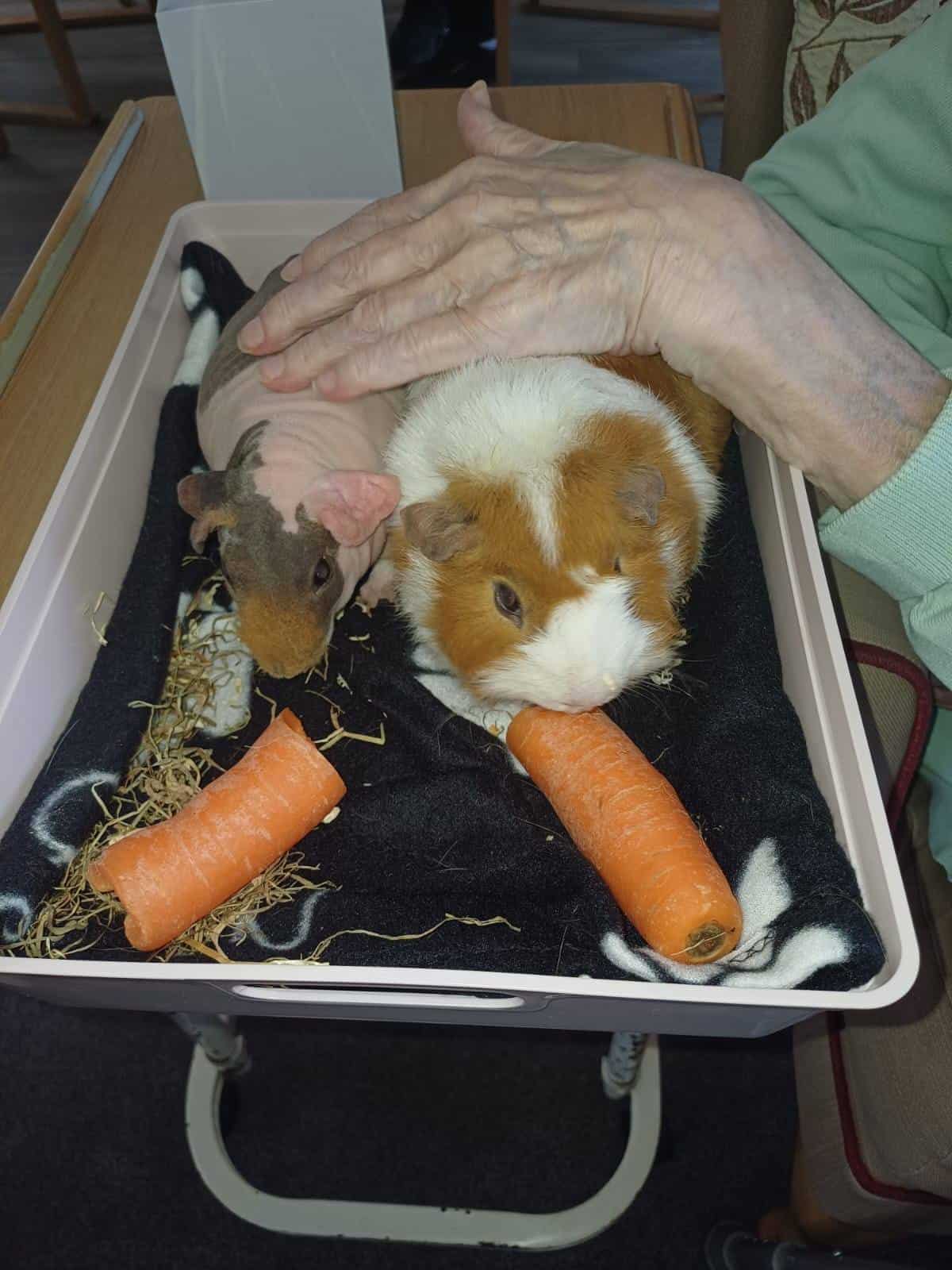
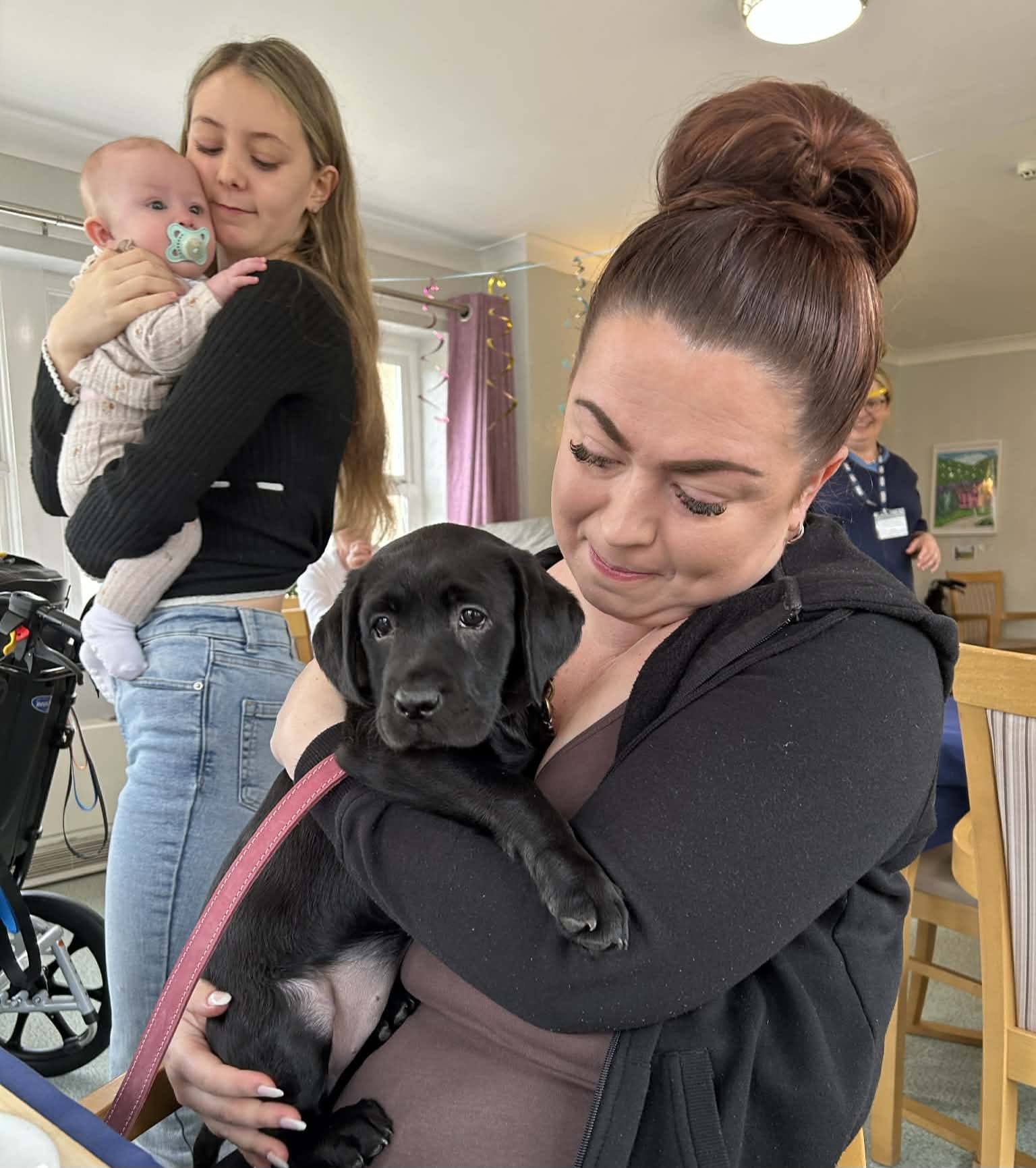
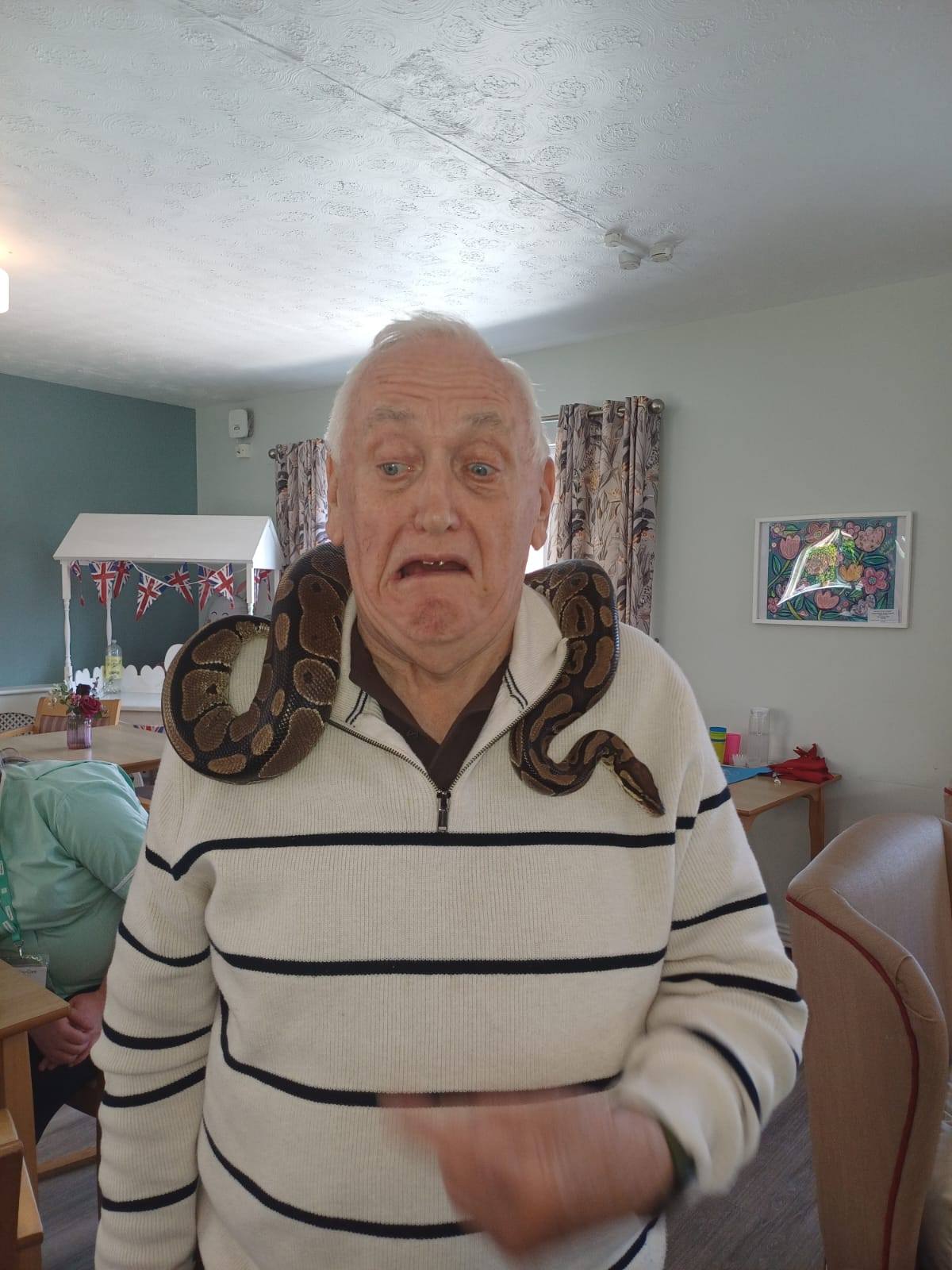
Animal visits are one of the highlights of life in our homes. There is something about the presence of an animal – the warmth, the texture, the uncomplicated interaction – that reaches residents in a way that is hard to replicate. We see it in the faces of residents who may seem withdrawn at other times: a gentle alertness, a smile, a hand that reaches out. We bring in a range of animals, and the response never gets old.
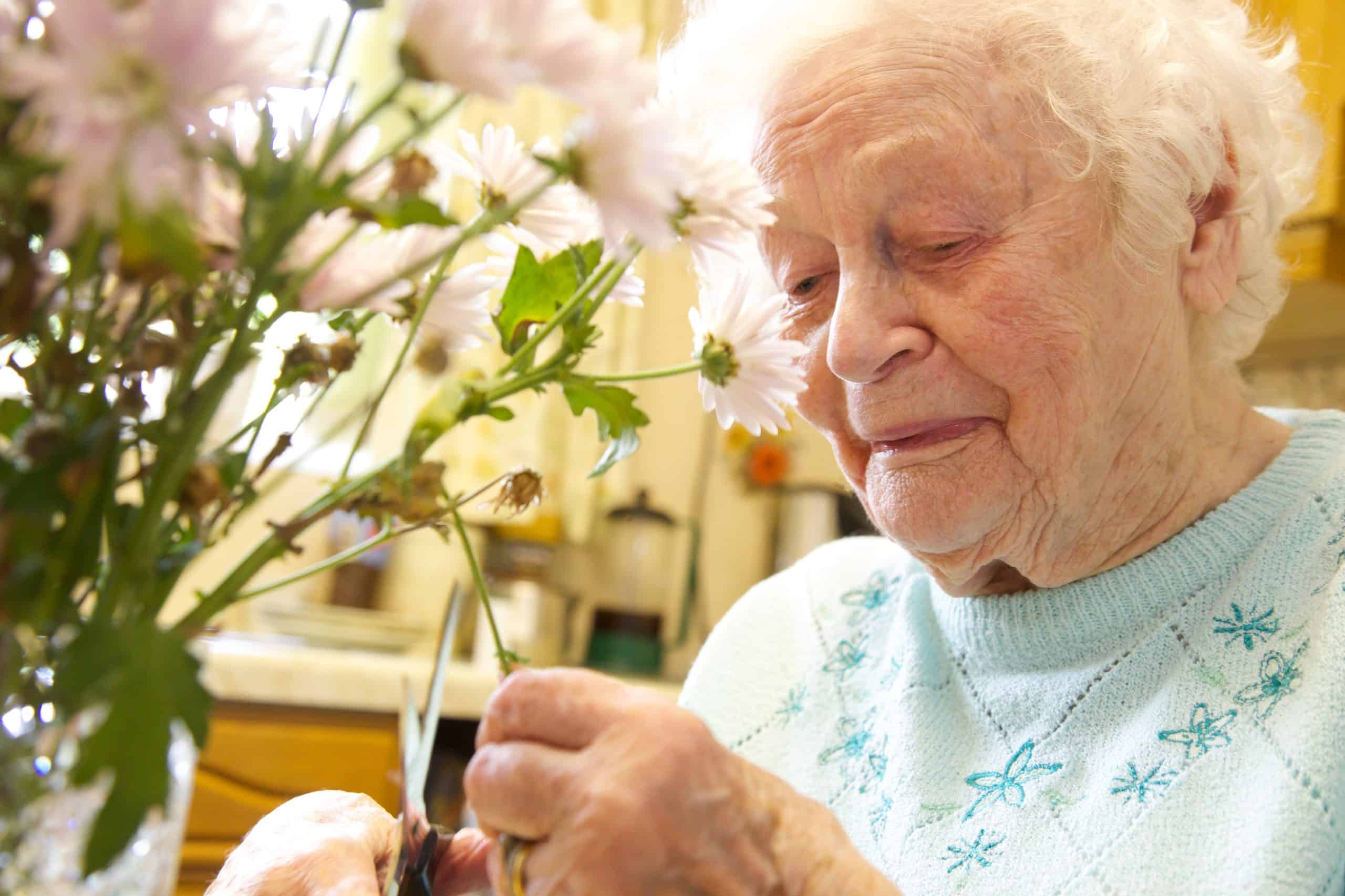
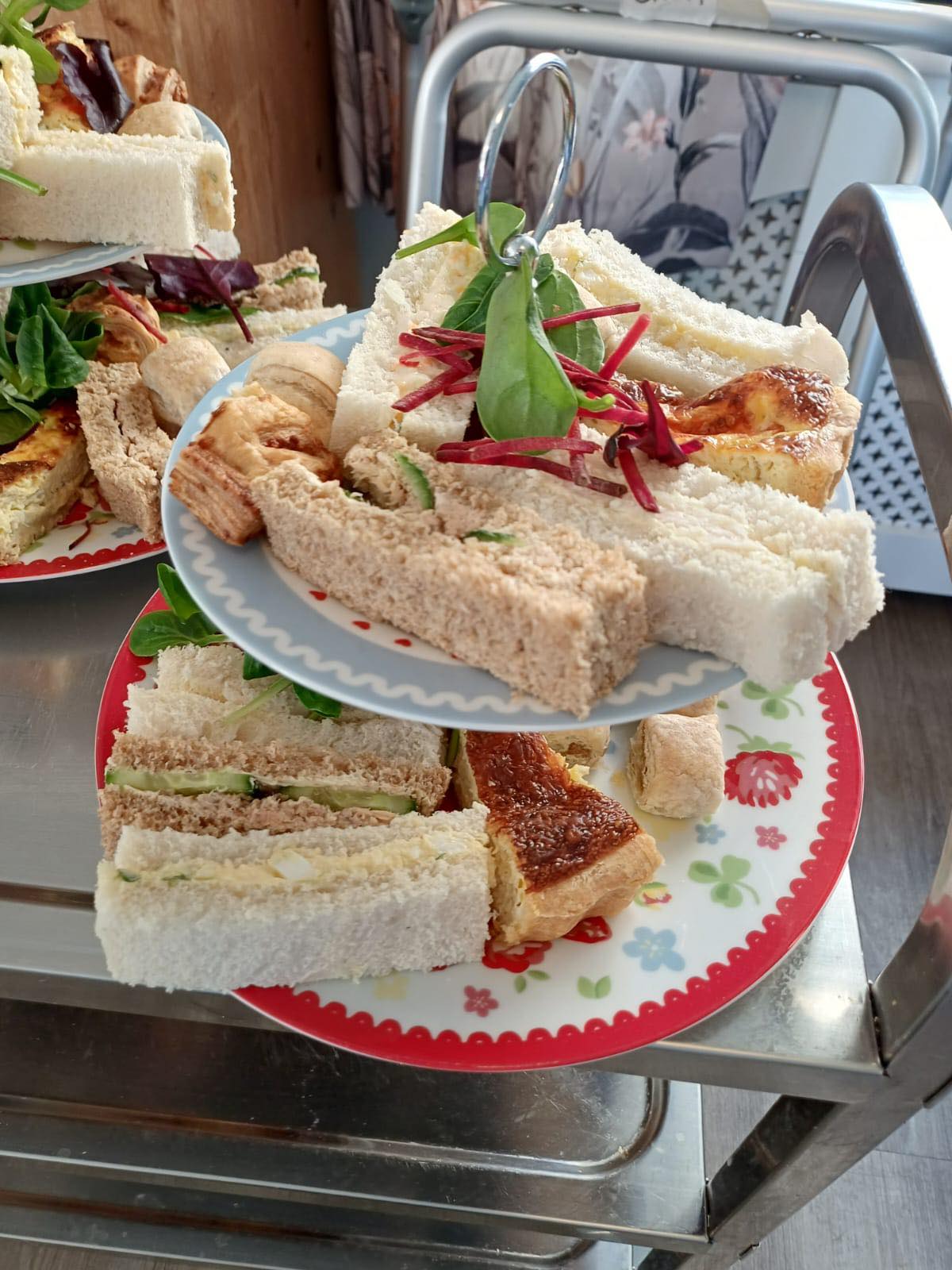
Alongside animal visits, we think carefully about how sensory experience runs through everyday life in the home, from the smell of cooking, to the feel of fabrics and furnishings, to the view from a window.
Celebrating residents as individuals

One of the risks of residential care, and something we are conscious of, is that the routines of running a home can gradually smooth over the individuality of the people living in it. Mealtimes, medication rounds, care tasks: these things have a consistency that can, if we’re not careful, begin to define the day.
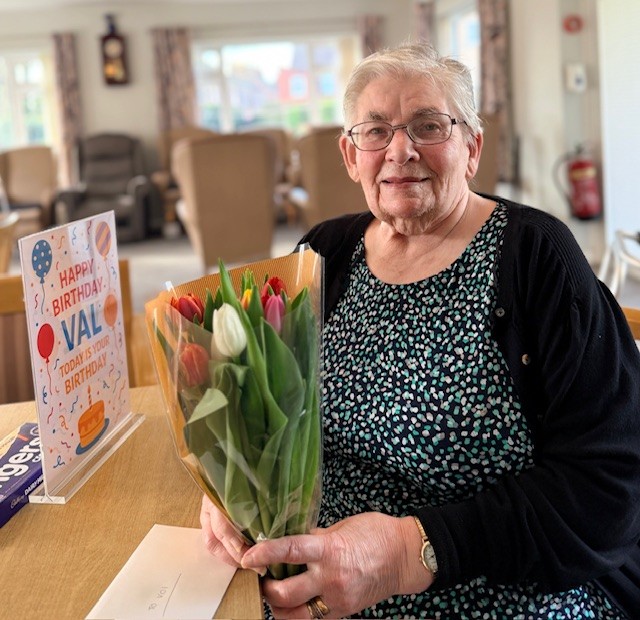
We push back against that wherever we can. Every resident has a life history, a set of preferences, a store of memories and achievements and relationships that belong to them alone. Birthdays are a good example and we celebrate them properly, as occasions that mark a person’s life rather than just another day on the calendar.
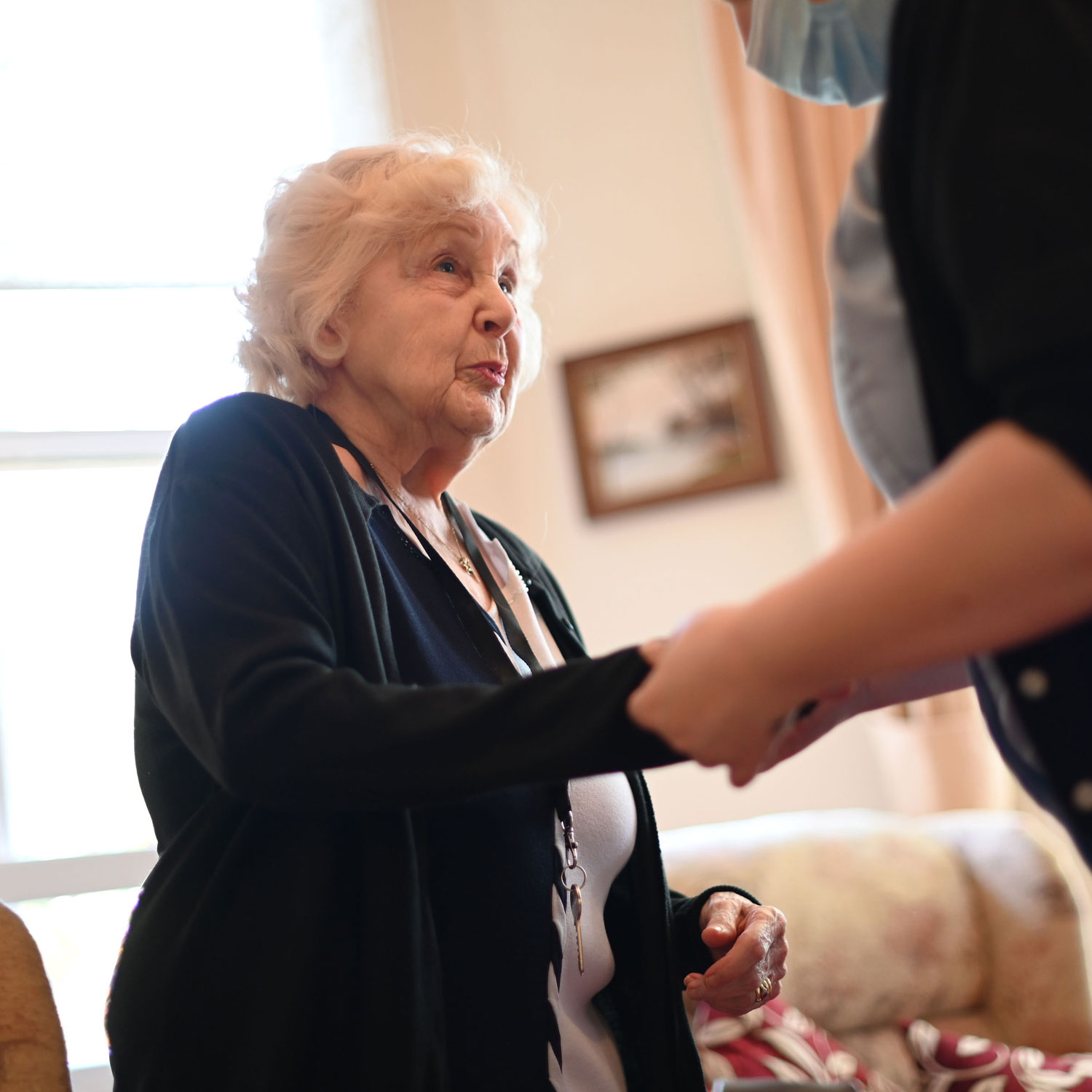
But it runs deeper than that – it’s in the conversations staff have, the photographs on the walls, the small gestures that say ‘we know who you are.’
Keeping minds active
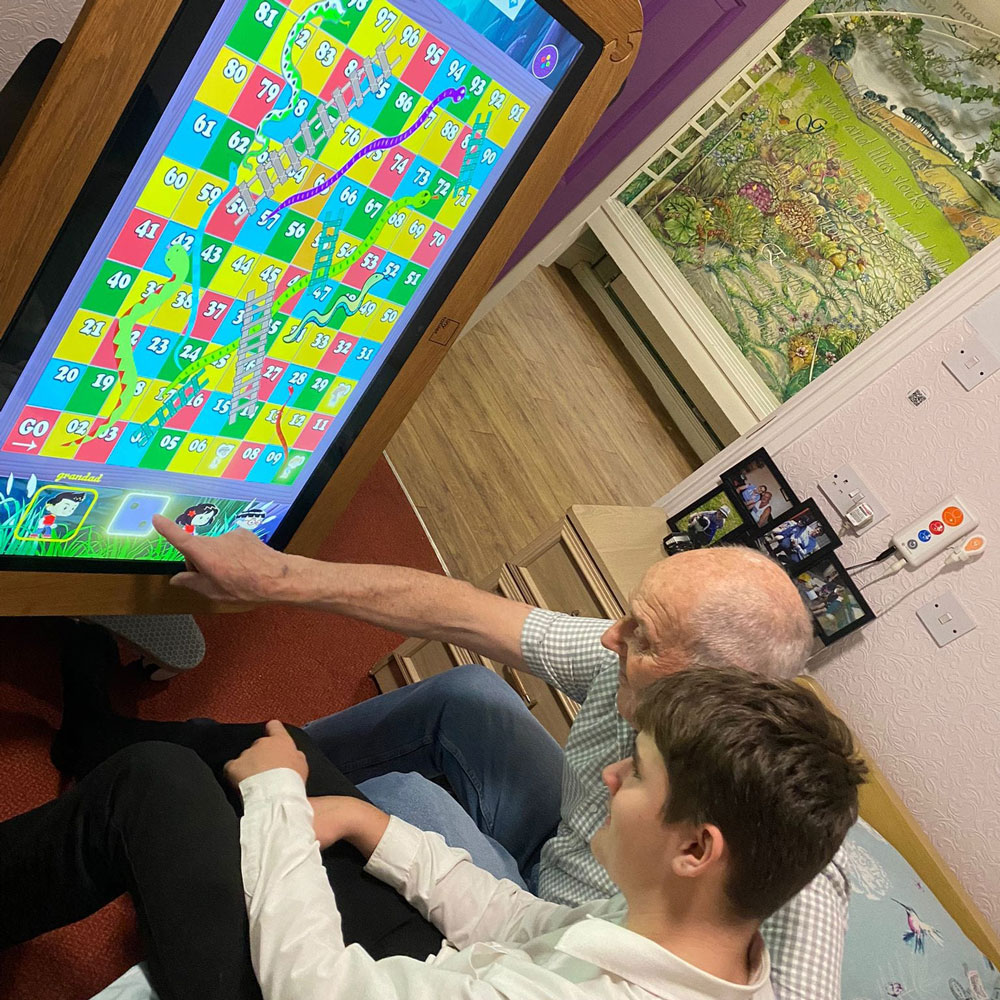
Cognitive stimulation, keeping the brain engaged, curious, and active, is associated with better outcomes across a range of measures, from mood and memory to the progression of dementia. It does not need to be complex or demanding, what matters is regular engagement with things that are interesting, challenging in an enjoyable way, and connected to things the person cares about.
At Abbey Lea we use large-format digital tablet as one way of supporting this. They open up a wide range of possibilities: video calls with family members who live at a distance, favourite music and films, photographs and memories, news, puzzles, and games. For residents who may have limited mobility or find it harder to get out, they can be a significant window onto the wider world. They also give families a practical tool for staying in touch in a way that feels natural and personal.
Putting it together
None of the things described in this article are complicated. They do not require specialist equipment or significant resources. What they require is a genuine commitment to seeing residents as whole people, and a staff team that understands why this kind of care matters.
Medication management, clinical oversight, and physical safety are the foundation of good care, but a person who is physically safe and clinically managed, yet lonely, bored, and unrecognised, is not living well. It is our responsibility as a residential care provider to look after both.
If you’re considering a care home for someone you love and would like to see how life works in practice at one of our homes, we’d be delighted to welcome you for a visit.