Published: 15th September 2026
A fall can happen in seconds, but its impact can last much longer. While the immediate concern is often physical injury, a fall can also affect an older person’s confidence, independence and willingness to remain active.
Even after someone has physically recovered, the fear of falling again can change how they approach everyday life.
When Confidence Takes a Knock
After a fall, it is understandable that someone may become more cautious. However, that caution can sometimes develop into anxiety about walking, using stairs or going outside.
Someone who previously moved around independently might begin avoiding certain activities or asking for more help because they no longer trust their balance.
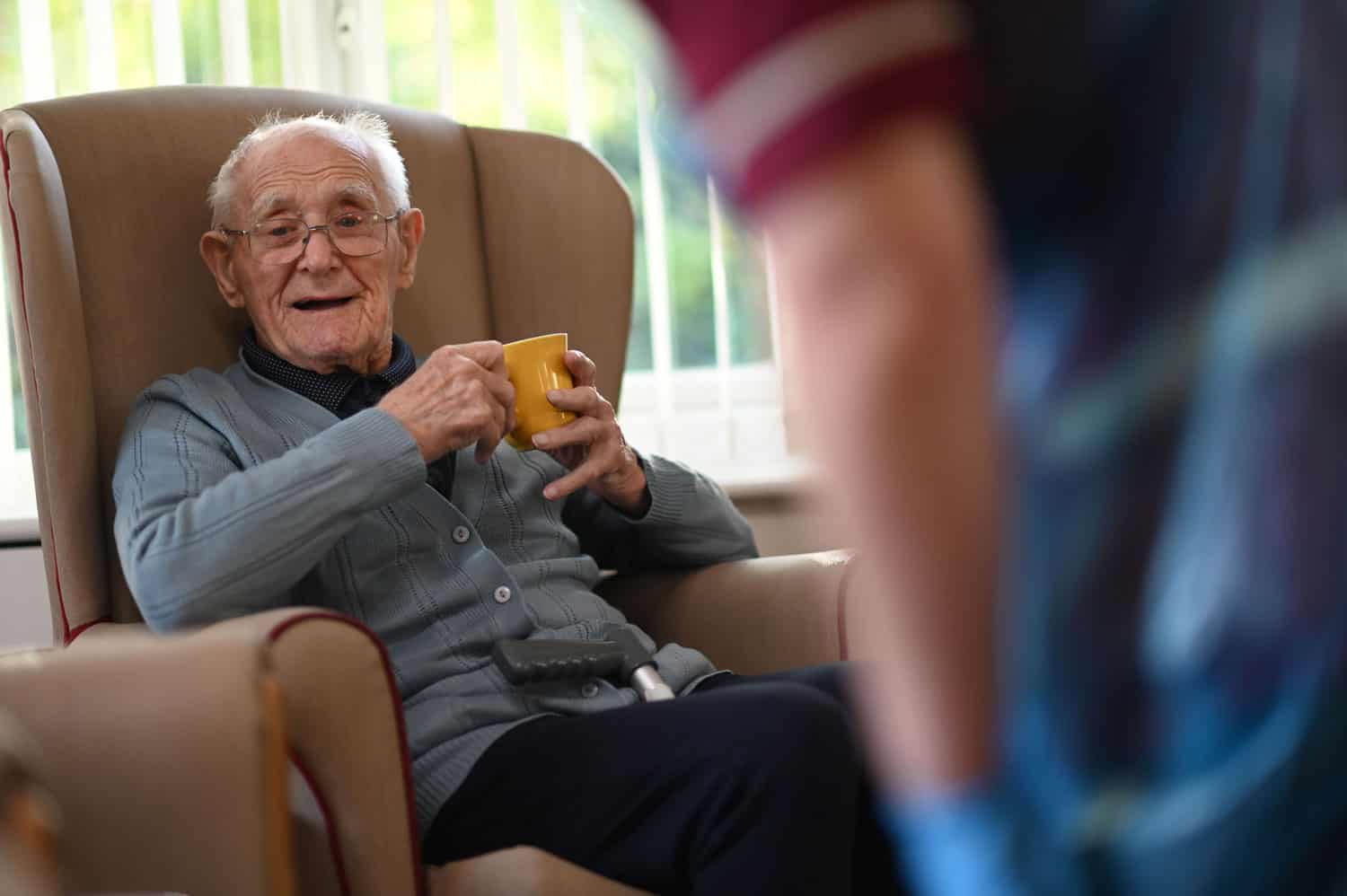
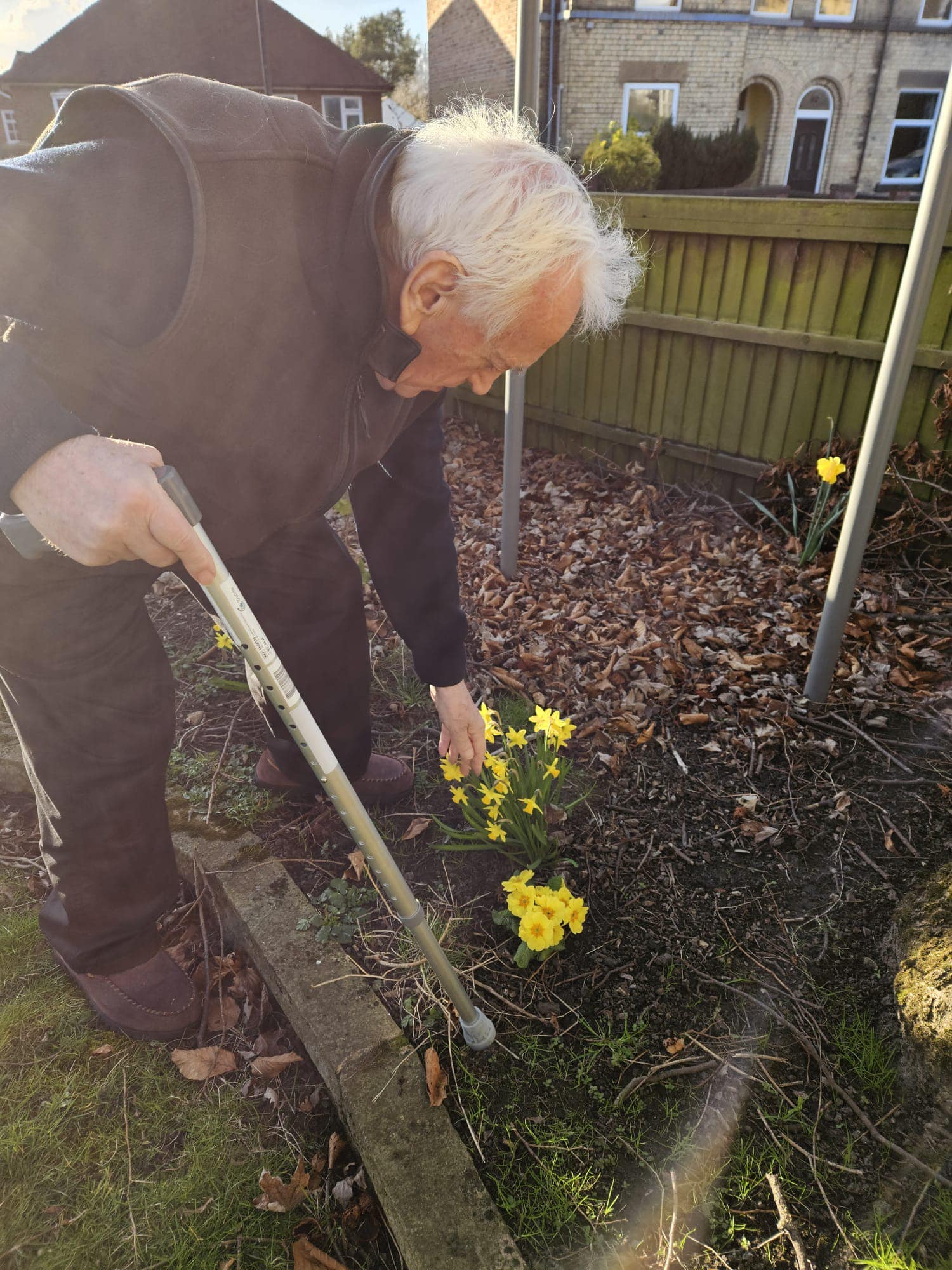
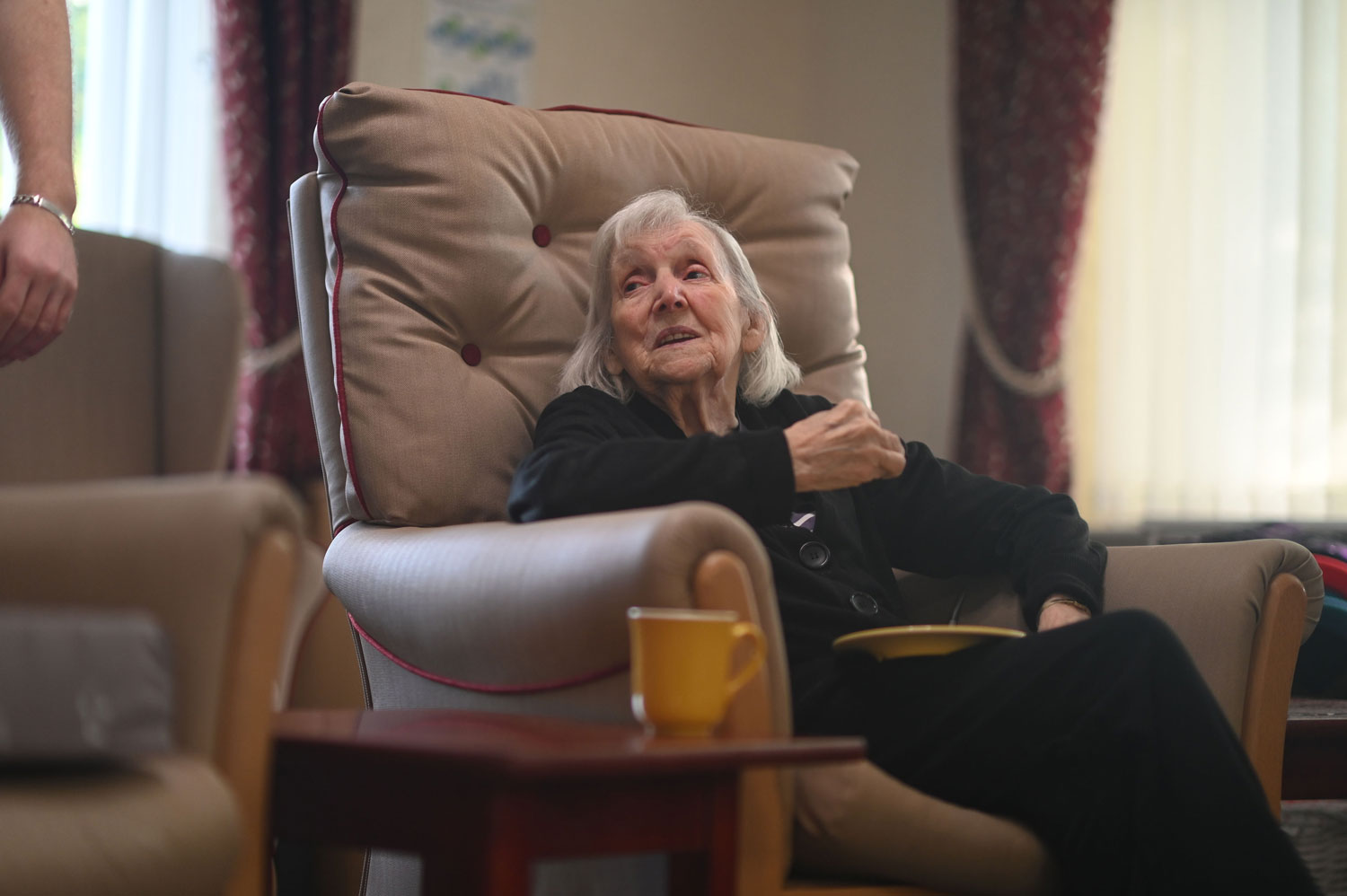
Families may notice subtle changes. Perhaps their loved one stops going into the garden, becomes reluctant to leave their chair or no longer wants to join activities they previously enjoyed.
Why Staying Active Matters
Avoiding movement can feel like the safest option, but becoming less active can have its own consequences.
Regular, appropriate movement can help maintain strength, balance and mobility. If someone significantly reduces their activity following a fall, they may gradually lose some of the physical confidence and ability that previously helped them remain independent.
The emotional impact matters too. Giving up outings, hobbies or social occasions because of a fear of falling can lead to someone becoming more isolated.
Finding the Right Balance
Supporting someone after a fall isn’t about encouraging them to take unnecessary risks. It is about finding a sensible balance between safety and independence.
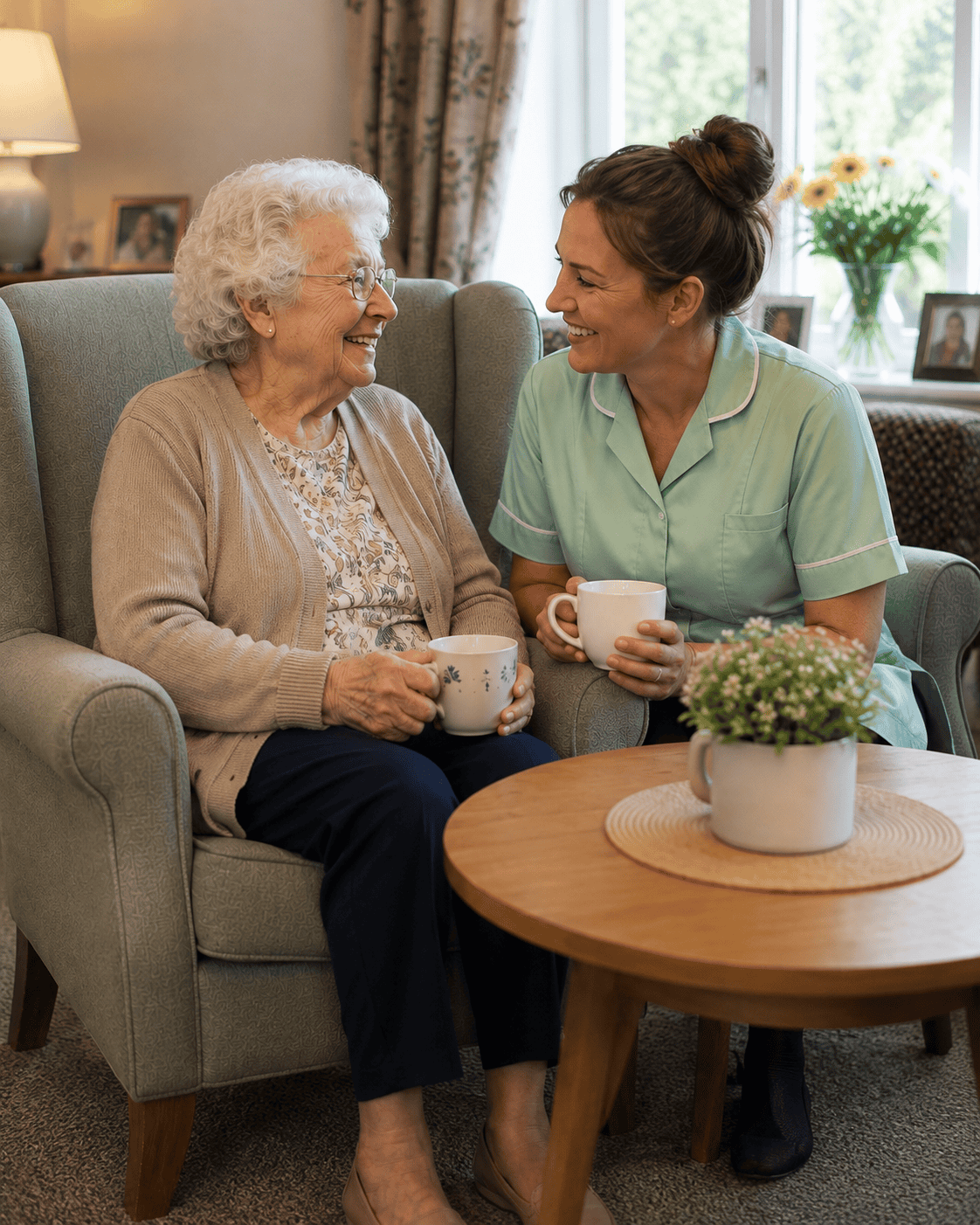
This might include making sure their environment is free from avoidable hazards, providing suitable assistance when needed and encouraging them to continue doing the things they can safely manage themselves.
Small achievements can gradually help rebuild confidence.
Looking Beyond the Fall
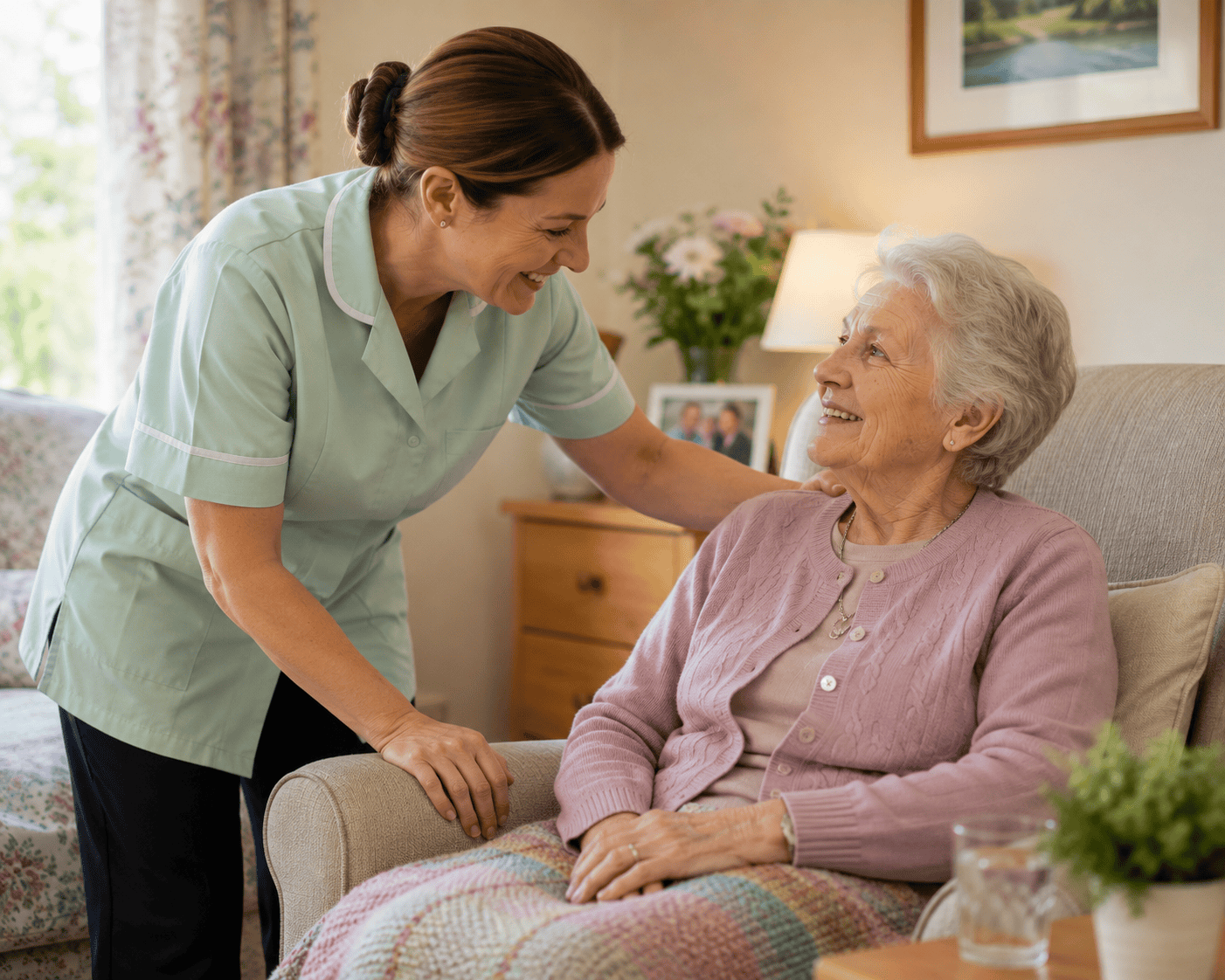
When an older person experiences a fall, it is important to consider more than whether they have been physically injured. Changes in confidence, mobility and behaviour can also tell us that someone needs additional reassurance or support.
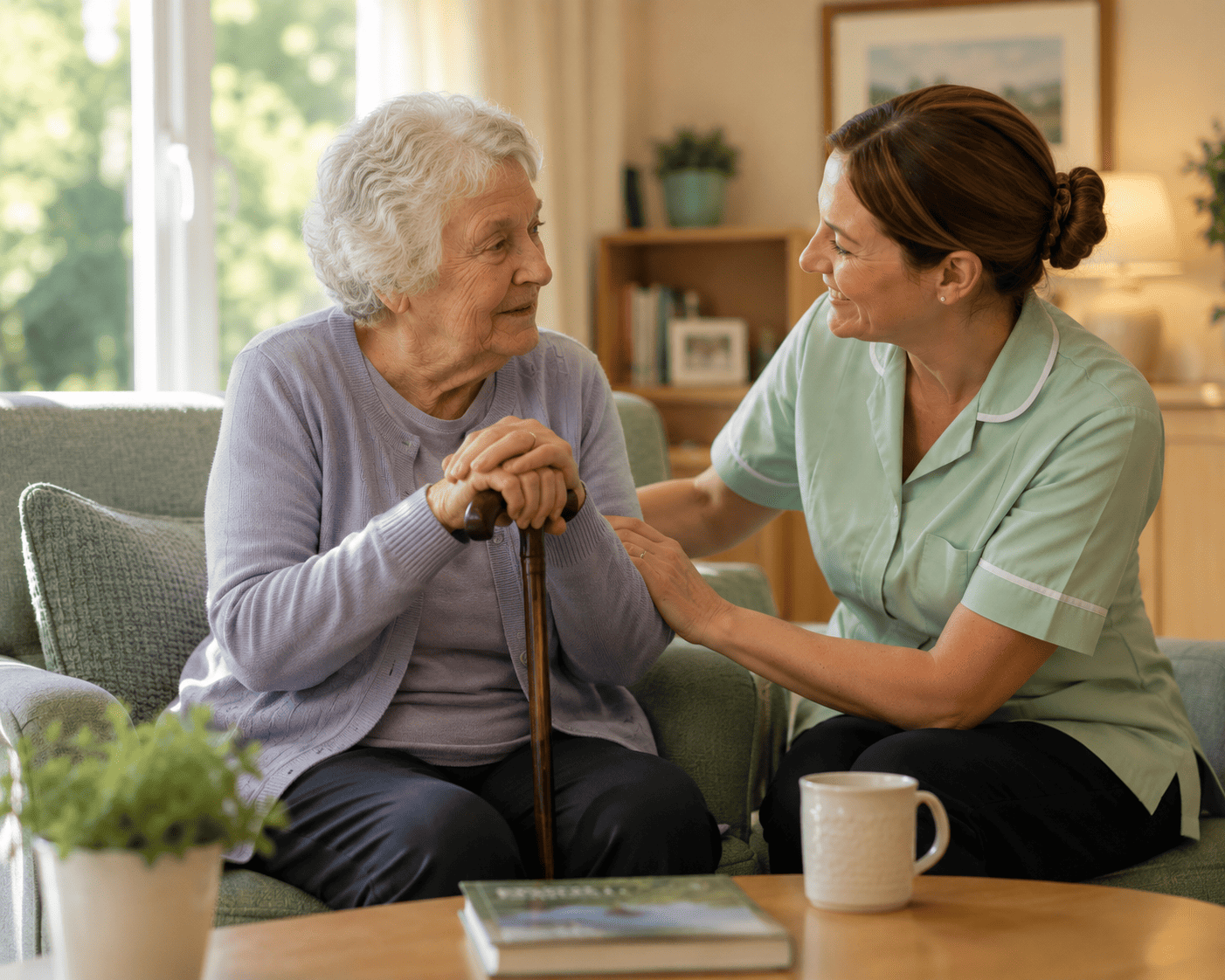
At Ochre Care, our teams at Abbey Lea and Westwood understand the importance of supporting residents to remain as confident and independent as possible.
Good care isn’t simply about preventing falls. It’s also about helping people continue living fulfilling lives without allowing the fear of falling to unnecessarily limit them.